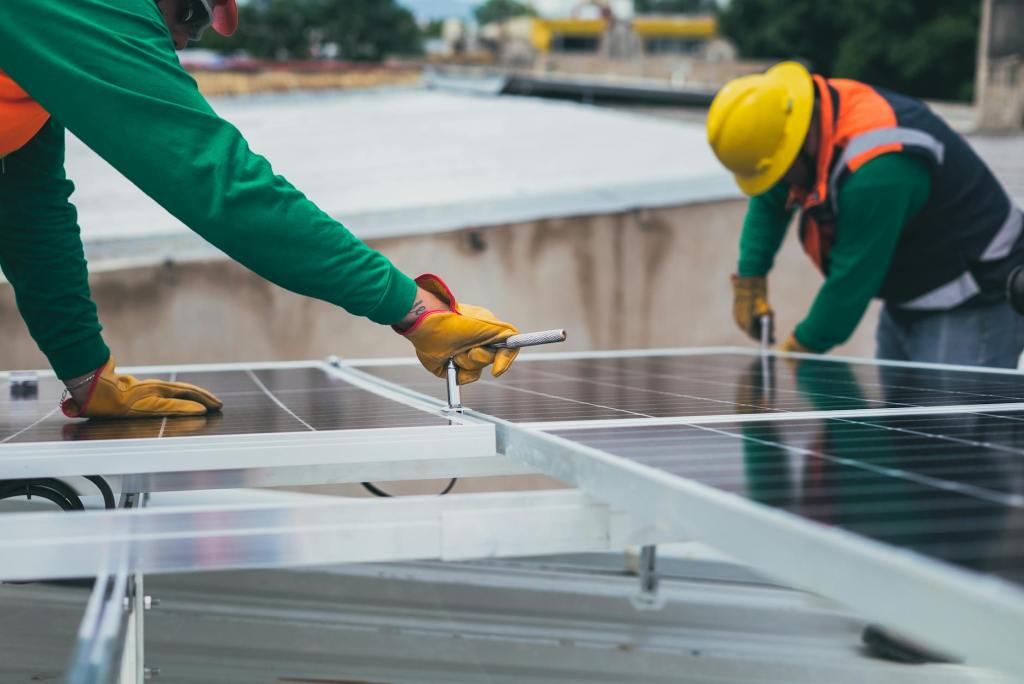
A Major Utility Solar Project Comes Online
DTE Energy has officially brought the Pine River Solar Park online, adding 80 megawatts of renewable power to Michigan’s grid. The project is part of DTE’s broader plan to expand its solar portfolio and demonstrate progress toward statewide clean energy goals. (ReNews coverage)
Supporters call the Pine River project a major win for Michigan’s clean energy transition. Critics argue that utility led solar projects raise questions about cost, land use, and whether Michigan is putting too much trust in monopoly utilities to drive the renewable transition.
What the Project Delivers
- 80 MW capacity, enough to power tens of thousands of homes
- Significant land footprint in rural Michigan
- Corporate backing, with DTE positioning the project as part of its climate responsibility strategy
The facility is expected to reduce carbon emissions, provide long term cost savings compared to fossil fuels, and help Michigan move closer to its renewable energy targets.
The Benefits
- Cleaner energy: Pine River reduces reliance on coal and gas, cutting greenhouse emissions
- Grid reliability: Utility scale solar adds stable generation capacity
- Economic impact: Projects like this often create construction jobs and generate tax revenue for host communities
The Criticisms
Not everyone is convinced the Pine River project is an unquestioned win.
- Utility control: Large projects give DTE more influence over how renewable energy develops, leaving smaller community solar and independent developers sidelined
- Farmland use: Like other utility scale solar farms, Pine River raises concerns about land being taken out of agricultural use
- Ratepayer costs: Some watchdogs warn that utilities may use renewable investments to justify rate hikes, even while reaping subsidies
What It Means for Michigan’s Future
The Pine River Solar Park shows that Michigan’s utilities are serious about scaling renewable power, but it also highlights the growing debate over who should lead the clean energy transition. Should large utilities dominate, or should there be more room for community solar and farmer led projects?
For everyday consumers, the answer will shape whether Michigan’s clean energy future is more affordable, inclusive, and resilient or more concentrated in the hands of a few corporations.
Sources
- ReNews: “DTE powers up Michigan PV project” — https://renews.biz/100251/dte-powers-up-michigan-pv-project/
- DTE Energy: “Solar projects and renewable expansion” — https://www.newlook.dteenergy.com/wps/wcm/connect/dte-web/home/about-dte/common/about-renewable-energy
- Energy Information Administration: “Utility scale solar growth” — https://www.eia.gov/todayinenergy/detail.php?id=60012
