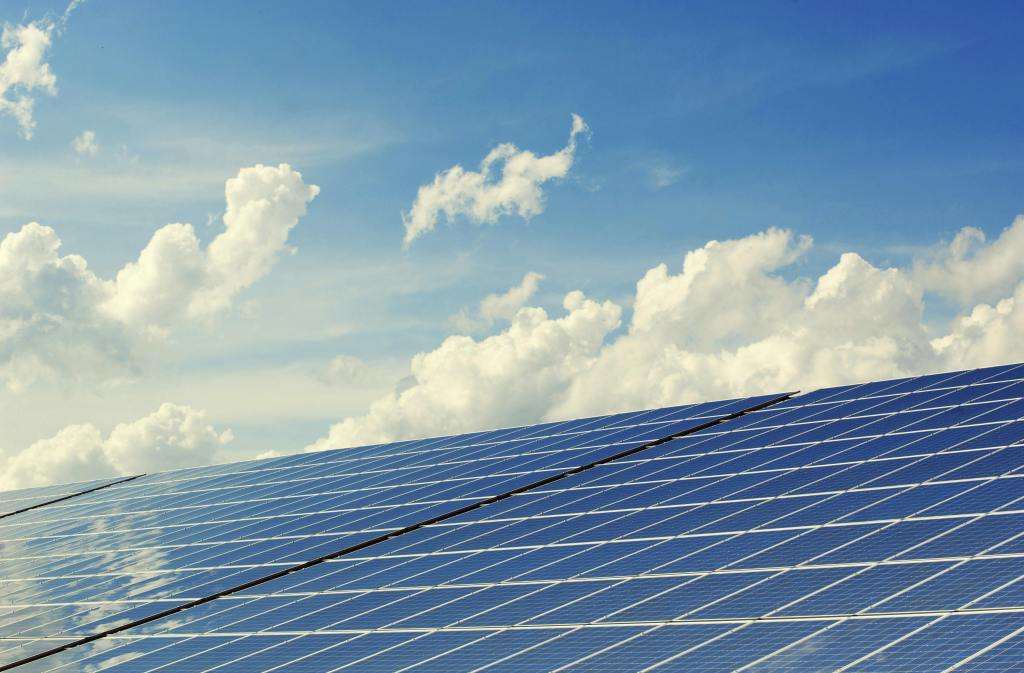
As more Michigan homeowners explore solar power, understanding the financial incentives available is essential to maximize savings. With federal and state-level credits, rebates, and programs, Michigan residents can reduce their upfront investment in solar and enjoy ongoing energy savings. In this guide, we’ll walk through the tax credits, rebates, net metering, and more to help you get the most from solar energy in Michigan.
Introduction to Solar Incentives in Michigan
In recent years, Michigan has ramped up its solar incentives, making renewable energy more attainable for homeowners and businesses alike. These incentives are part of a broader push to support clean energy goals, reduce carbon footprints, and help residents save on energy costs. By combining state and federal incentives, Michigan residents can significantly offset the cost of going solar in 2024.
1. Federal Solar Tax Credit (Investment Tax Credit or ITC)
One of the most valuable incentives for solar adopters nationwide is the Federal Solar Tax Credit, commonly known as the Investment Tax Credit (ITC). The ITC offers a 30% tax credit on the cost of installing solar panels, providing substantial savings to those who qualify.
- How It Works: Homeowners who install a solar energy system can claim 30% of the system’s cost as a tax credit on their federal income taxes.
- Eligibility: The credit applies to both residential and commercial properties as long as the installation is complete by 2032.
- Example Savings: For a $20,000 solar installation, the ITC could reduce tax liability by $6,000.
Note: This credit is non-refundable but can be carried over to the next year if it exceeds your tax liability in the current tax year.
2. Michigan-Specific Solar Rebates and Incentives
Michigan offers several state-specific incentives to encourage solar adoption. These programs reduce upfront costs and make renewable energy more accessible.
- Michigan Saves: This is a state-sponsored green bank offering low-interest financing for renewable energy projects, including solar installations. Homeowners can borrow up to $50,000 at affordable rates to cover their installation costs.
- Utility Rebates: Some Michigan utility companies, such as DTE Energy and Consumers Energy, offer rebates for solar installations. These rebates can vary based on utility policies, project size, and location, but they typically reduce the upfront costs by a few hundred to a few thousand dollars.
3. Net Metering Policies in Michigan
Net metering is a popular and impactful program that allows homeowners to sell excess solar energy back to the grid, offsetting their electricity costs. Here’s what you need to know about net metering in Michigan:
- How It Works: If your solar panels produce more energy than your home uses, the extra energy is sent back to the grid. You’ll receive credits on your electricity bill, reducing future costs.
- Current Net Metering Policies: Michigan’s net metering allows for full retail-rate credits for surplus energy. However, policies may vary depending on your utility provider.
- Benefits: Homeowners can significantly lower their energy bills by using credits generated from net metering, especially during sunny summer months.
4. Additional Local Programs and Grants
In addition to statewide programs, some Michigan cities and counties offer additional incentives to promote solar power.
- City-Specific Grants: Some cities, like Ann Arbor, have launched local solar initiatives, offering grants and rebates to qualifying residents. It’s worth checking with your city’s energy department or local government for available options.
- PACE Financing for Businesses: The Property Assessed Clean Energy (PACE) program allows commercial property owners to finance renewable energy improvements. Through PACE, property owners can fund 100% of their solar project with no upfront costs and pay it back through property tax assessments.
5. How to Apply for Michigan Solar Incentives
Navigating the application process for solar incentives may seem complex, but breaking it down step-by-step can simplify it:
- Verify Eligibility: Confirm that your solar installation qualifies for the available federal and state incentives by consulting with your solar installer.
- Collect Documentation: Ensure you have receipts, contractor certifications, and any other required documentation.
- File for the Federal ITC: You can claim the Federal Solar Tax Credit by completing IRS Form 5695 when filing your federal income taxes.
- Apply for Utility Rebates: Contact your utility provider to apply for available rebates. You may need to submit proof of installation and other forms, depending on the utility’s requirements.
Common Mistakes to Avoid: Make sure to apply for rebates soon after installation, as some programs have deadlines. Additionally, ensure that all documentation is complete and accurate to avoid delays in receiving incentives.
6. Maximizing Your Return on Investment (ROI)
Combining multiple incentives can significantly reduce your upfront and ongoing costs, resulting in a quicker return on investment. Here’s how to maximize your solar ROI:
- Estimate Long-Term Savings: Calculate the savings from net metering credits, federal tax credits, and utility rebates.
- Monitor Energy Savings: Track your energy bills pre- and post-installation to gauge monthly savings. Over a typical 20-year solar panel lifespan, the savings can be substantial, particularly if energy prices rise.
- Consider Solar Financing Options: Low-interest loans, such as those from Michigan Saves, can reduce upfront costs without negating savings from rebates and credits.
Conclusion and Next Steps
Michigan’s combination of federal tax credits, state-specific programs, and net metering policies makes going solar financially attractive. With the right approach, Michigan homeowners can dramatically reduce installation costs and enjoy significant energy savings over the lifespan of their solar systems. If you’re considering solar in Michigan, consult with a certified solar provider to understand all applicable incentives and to optimize your financial benefits. Going solar is not just an investment in energy savings but also a positive step toward a greener Michigan.
