Turning Contaminated Sites into Clean Energy Assets
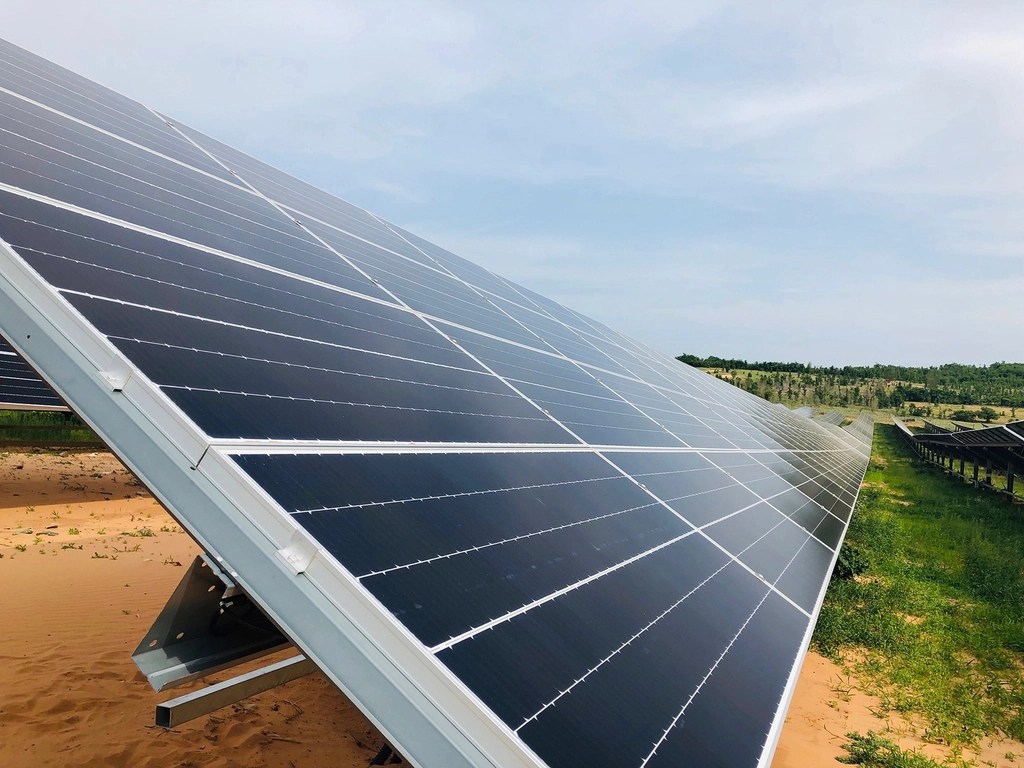
Michigan is discovering an unexpected ally in its push for renewable energy: the thousands of contaminated or underused industrial sites scattered across the state. Known as brownfields, these properties have long been seen as environmental liabilities. Now, they are being transformed into brightfields, where solar arrays generate clean energy while revitalizing neglected land.
The Michigan Department of Environment, Great Lakes, and Energy (EGLE) estimates that there are more than 10,000 brownfield sites across the state, ranging from former factories and landfills to decommissioned industrial yards. Many of these properties are located near existing infrastructure, making them ideal for solar development without competing with farmland or residential areas.
The Advantages of Building Solar on Brownfields
Installing solar projects on brownfields offers several clear benefits. The land is already disturbed, which minimizes ecological impact. Utility access points and transmission lines are often nearby, reducing connection costs. Since these areas are unsuitable for farming or housing, they avoid the zoning disputes that frequently stall other solar projects.
A study by the National Renewable Energy Laboratory (NREL) found that Michigan’s brownfields have the potential to generate up to 4 gigawatts of solar power, enough to power roughly 800,000 homes. EGLE’s Brightfields Pilot Program, launched in 2023, is already supporting early-stage projects in Genesee, Wayne, and Muskegon counties.
According to EGLE Director Phil Roos, “Redeveloping brownfields for solar is a win-win. It turns blighted land into productive assets, drives local tax revenue, and supports Michigan’s transition to cleaner energy.”
Economic Potential and Local Benefits
Beyond clean energy generation, brightfield projects can stimulate economic growth in struggling communities. Many brownfield sites are located in post-industrial cities that have faced decades of disinvestment. Solar redevelopment can bring back jobs and attract new private investment to these regions.
The Michigan Economic Development Corporation (MEDC) has partnered with local governments to streamline the permitting and financing process for brownfield solar. Grants and tax incentives are helping reduce upfront costs, while federal programs under the Inflation Reduction Act add bonus credits for projects built on contaminated or previously developed land.
Local governments are beginning to see the benefits. In Flint, a former General Motors site now hosts a 15-acre solar array that supplies power to nearby schools. The project created more than 50 local construction jobs and turned what was once a symbol of industrial decline into a hub for clean energy.
Challenges Still Remain
Developing solar projects on brownfields can be complicated. Environmental cleanup costs, soil stability, and liability issues often increase project timelines and deter private investors. Even so, Michigan’s brownfield-to-brightfield movement continues to gain traction as new funding programs make redevelopment more attractive.
Experts say the key will be maintaining strong partnerships between state agencies, utilities, and private developers. By standardizing cleanup and permitting processes, Michigan could unlock the full potential of these sites and set an example for other industrial states looking to repurpose contaminated land.
The Future of Brightfields in Michigan
With growing support from EGLE, MEDC, and the Department of Energy, brightfields are becoming a core part of Michigan’s renewable energy strategy. As federal farmland restrictions and local zoning battles continue to limit new development, brownfields may emerge as Michigan’s most practical and politically unifying path forward.
If successful, the state could turn its industrial past into a clean energy future by transforming forgotten spaces into sources of power, pride, and possibility.
Sources:
