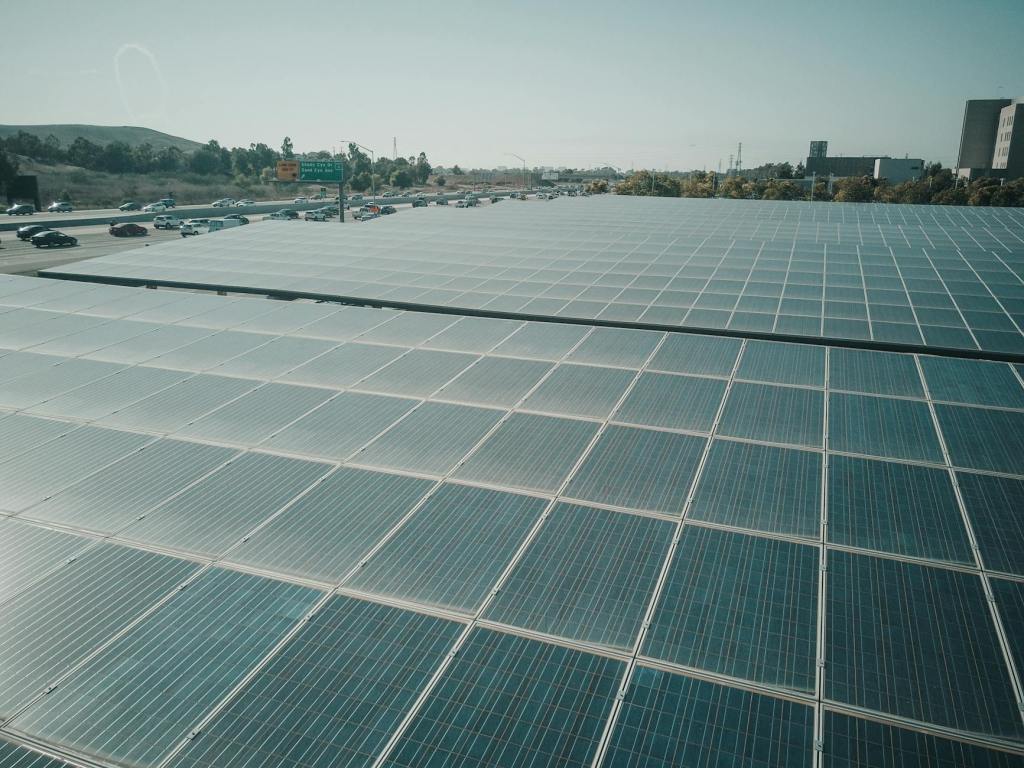
A New Solar Giant Rises in Mid-Michigan
Consumers Energy has officially unveiled its Gustin Solar Project, one of Michigan’s largest renewable energy installations, signaling another step toward the state’s carbon reduction goals. Located west of Jackson, the 125-megawatt solar farm is projected to power more than 33,000 homes annually and offset over 160,000 metric tons of carbon emissions—a milestone for Michigan’s ongoing clean energy expansion.
Construction began in 2023 and is now in its final stages, with the project slated to be fully operational by early 2026. It forms a major component of Consumers Energy’s commitment to build 8,000 megawatts of solar capacity by 2040, aligning with the state’s renewable energy targets and broader efforts to transition away from coal and gas generation.
Economic Gains, But Questions Over Control
The Gustin Solar Project is expected to create hundreds of temporary construction jobs and contribute millions in local tax revenue, helping boost the economies of nearby townships. Supporters see it as a model of sustainable investment that will help stabilize energy prices for Michigan residents.
However, some energy policy experts and local advocates question whether Michigan’s renewable expansion is being driven primarily by utilities rather than communities. Large investor-owned utilities like Consumers Energy continue to dominate the renewable space, often overshadowing community solar programs that would allow homeowners and small businesses to generate or share solar power independently.
This dynamic, according to analysts at the Michigan Public Service Commission (MPSC), could limit long-term consumer choice and keep energy pricing power centralized. Critics argue that greater diversification—through smaller, distributed projects and local cooperatives—would create more resilient and equitable access to clean energy.
Balancing Growth with Local Impact
While large-scale projects like Gustin accelerate Michigan’s renewable generation capacity, they also raise questions about land use and rural development. Some local farmers and residents have voiced concerns about converting agricultural land into solar fields, citing potential loss of farmland and changes to local character.
To address these challenges, experts at Michigan State University recommend pairing solar projects with agrivoltaics, where crops or livestock coexist under solar panels. This approach could allow Michigan to balance energy production with agricultural sustainability, helping communities benefit both economically and environmentally.
What Comes Next for Michigan Solar
With the Gustin Solar Project nearing completion, Consumers Energy has positioned itself as a key player in Michigan’s clean energy transformation. Yet the broader conversation—about who owns, controls, and profits from this shift—continues to evolve.
As Michigan works to meet its ambitious renewable energy targets, the next few years will test whether the state can expand solar equitably, blending utility-scale development with local, community-driven initiatives that give residents a direct stake in their energy future.
Sources:
- https://www.rigzone.com/news/consumers_energy_unveils_gustin_solar_project_in_michigan-02-oct-2025-1796546-article/
- https://www.consumersenergy.com/news-releases/news-release-details/2025/Consumers-Energy-Expands-Solar-Capacity-to-Power-More-Michigan-Homes
- https://www.michigan.gov/mpsc
- https://www.canr.msu.edu/news/solar-energy-and-land-use-in-michigan
