A New Benchmark for Michigan’s Renewable Ambitions
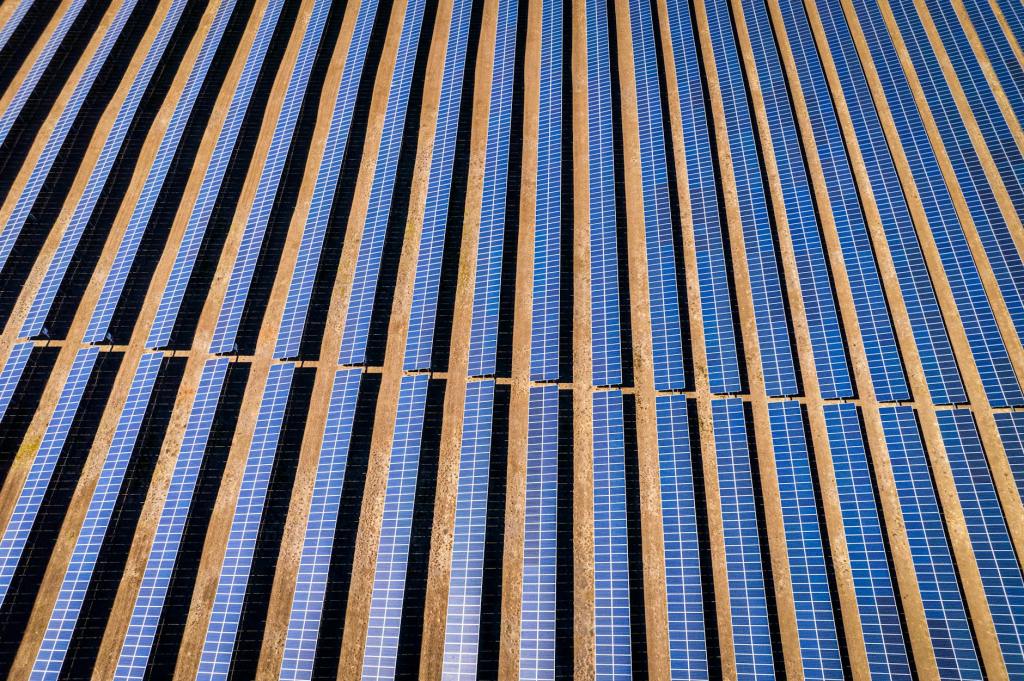
A massive 125-megawatt (MW) solar farm west of Jackson, Michigan, is nearly complete, marking one of the state’s largest clean energy projects to date. The site, developed by Consumers Energy, is expected to generate enough electricity to power more than 33,000 homes while offsetting over 161,000 metric tons of carbon dioxide annually—a milestone that underscores Michigan’s accelerating but complex transition toward renewable power.
The project, known as the Gustin Solar Farm, spans several hundred acres across multiple townships and is a key part of Consumers Energy’s broader plan to add 8,000 MW of solar capacity by 2040. Construction began in 2023 and is expected to wrap up before the end of 2025, with energy production ramping up in early 2026.
Clean Energy, Local Tensions
While many hail the project as proof that Michigan is taking clean energy seriously, the scale of the installation has stirred familiar debates over land use, transparency, and who truly benefits from large-scale solar development.
Local residents have expressed concerns about losing farmland to utility-scale solar, echoing tensions seen across the state in places like Huron, St. Clair, and Gratiot Counties. Supporters argue that projects like this are essential to meeting Michigan’s climate and energy goals, while critics worry about the long-term impact on rural communities and food production.
Experts from Michigan State University’s Department of Agricultural, Food, and Resource Economics note that the state’s solar expansion has outpaced local zoning reform, leaving communities to navigate a patchwork of ordinances that can either accelerate or stall renewable projects. The Gustin site, however, reportedly faced fewer barriers due to early cooperation between Consumers Energy and local governments.
Economic Boost or Utility Control?
Economically, the project represents a significant short-term boost. Hundreds of temporary construction jobs were created, and the host townships will receive increased tax revenue from the completed installation. However, energy policy analysts point out that utility ownership of solar infrastructure may limit broader community participation in Michigan’s energy future.
Independent energy developers and co-ops have argued that the state’s biggest utilities maintain too much control over solar growth, shaping which projects move forward and how profits are distributed. Critics worry that this structure leaves fewer opportunities for community solar initiatives or agrivoltaic projects that allow farmers to share in the economic benefits.
Consumers Energy maintains that projects like Gustin Solar are a win for ratepayers and the environment. In a recent statement, the company said the site will “deliver reliable, affordable, and renewable energy to Michigan homes and businesses while supporting the state’s long-term sustainability goals.”
What It Means for Michigan’s Solar Future
The near-completion of the Gustin Solar Farm marks a significant milestone, but it also raises broader questions. Is Michigan’s clean energy growth being driven by local opportunity or centralized control?
As more large-scale projects break ground, balancing utility-scale expansion with distributed and agricultural solar will become a defining challenge. With the MPSC’s latest renewable energy grants funding smaller local efforts and programs like Michigan’s Renewables Ready initiative focusing on community benefit, the next phase of the state’s clean energy transition may depend on how well large and small players work together.
Sources:
- https://www.mlive.com/news/jackson/2025/10/massive-125-megawatt-solar-farm-nears-completion-west-of-jackson.html
- https://www.consumersenergy.com/news-releases/news-release-details/2025/Consumers-Energy-Expands-Solar-Capacity-to-Power-More-Michigan-Homes
- https://www.michigan.gov/mpsc/
- https://www.canr.msu.edu/news/solar-energy-and-land-use-in-michigan
