Introduction
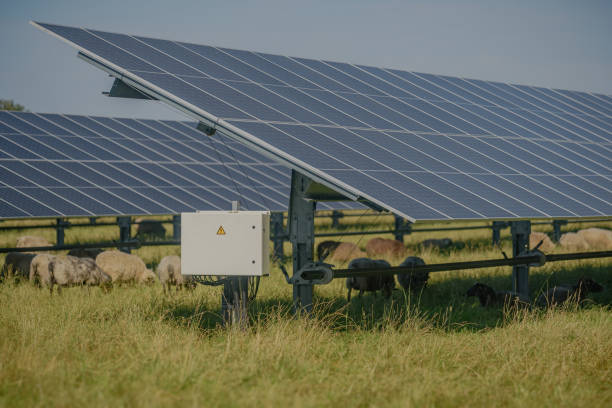
Agrivoltaics continues to evolve in Michigan. Beyond shading crops and generating dual income, the model now extends to orchard trials, pollinator habitat, dynamic panels, water conservation, and even disaster resilience. Federal policy changes from the Big Beautiful Bill introduce new deadlines, sourcing rules, and funding gaps. This article digs deeper exploring what’s rarely discussed and what matters to farmers, developers, and communities.
1. Expanding Use Cases and Undiscussed Opportunities
1.1 Apple Orchard Trials
Field trials at West Central Michigan’s MSU Research Center are testing agrivoltaic panels over apple orchards. Growers expect up to 25% reduced fruit sunburn and more consistent yields while generating energy. Advanced BioFuels USA+11Energy Changemakers+11pv magazine USA+11Agri & Natural Resources College
1.2 Pollinator and Wildlife Habitat
Solar sites in Michigan are now incorporating native wildflowers and pollinator-friendly plantings. This not only supports rural biodiversity but boosts ecosystem services like pest control.
1.3 Preemptive Drought Resilience
By reducing evaporation by up to 29%, agrivoltaics can sustain crop health during dry spells. Michigan’s fluctuating summer rainfall patterns make this a valuable risk-reduction tool.
1.4 Dynamic Paneling and Shading Control
Advanced systems use single- or dual-axis trackers to optimize light distribution. This means panels move to moderate shade and seasonal adjustments, balancing yield and energy dynamically. Holland & Knight+13Wikipedia+13ysgsolar.com+13
1.5 Carbon Sequestration and Soil Health
Integrating agrivoltaics with conservation cover practices enhances soil organic matter, supports reduced tillage, and increases carbon sequestration—a win for regenerative farming. NREL+5Agri & Natural Resources College+5TRC Companies+5
2. Economics and Risk Management – Beyond the Basics
2.1 Value of High-Value Crops
Techno-economic modeling shows agrivoltaic systems are more profitable when combined with higher-value crops like berries, specialty greens, or medicinal herbs. Structure costs can be offset, sometimes more than matching traditional solar. ysgsolar.com+6arXiv+6Wikipedia+6
2.2 Insurance Considerations
Agrivoltaic sites can face higher insurance premiums for potential machinery damage or livestock liability, though this is rarely factored into project estimates.
2.3 Labor and Long-Term Maintenance
Labor demand increases approximately 3% for panel upkeep, cleaning, and grazing coordination. Farmers must train staff or partner wisely.
3. How the Big Beautiful Bill Shapes Agrivoltaics
3.1 Investment Deadlines
To qualify for commercial solar credits, projects must begin construction by mid-2026 and complete by late 2027. These narrow windows make quick permitting and design a necessity. Latham & Watkins
3.2 Domestic Sourcing Mandates
On June 16, 2025, projects must meet rising domestic content standards 45% initially, scaling upward. Imported aluminum or trackers may disqualify your project. Holland & Knight+2Frost Brown Todd+2Latham & Watkins+2
3.3 Loss of Brownfield Credits
Tax incentives for installing solar on contaminated farmland or repurposed brownfields are eliminated. That removes a key financing tool for rural agrivoltaic development. Wikipedia+7michiganagconnection.com+7Environment America+7
3.4 Rise of Microgrids and Off-Grid Options
With declining federal support, the Bill may push developers toward off-grid, microgrid, and resilience-focused agrivoltaic models—especially where grid fees rise sharply. pv magazine USA+3Energy Changemakers+3Project Finance Law+3
4. What Stakeholders Need to Know Now
- Farmers should assess high-value or temperature-sensitive crops and explore shading benefits for specialty agriculture.
- Developers must finalize designs quickly, prioritize domestic-sourced equipment, and monitor cost increases for structure and insurance.
- Policy advocates should push for state-level incentives, zoning updates, and agrivoltaic pilot grants to cover remaining financial gaps.
- Communities need local education campaigns highlighting pollinator and habitat gains to strengthen social license and reduce opposition.
5. Near- and Mid-Term Outlook
5.1 2025–2026
Final federal agrivoltaic applications must meet deadlines. Orchard and grazing pilots should commence. Private funding and partnerships offer a bridging strategy.
5.2 2027–2028
Commercial credits will phase out. Only MI state incentive programs can carry momentum forward. Expect a slowdown unless mitigation strategies are enacted.
5.3 2029 and Beyond
Public support and long-term ecological gains position Michigan to potentially lead the agrivoltaic frontier if state incentives or carbon markets incentivize dual-use modeling. A viable future depends on supportive policy and extension systems.
Conclusion
Agrivoltaics in Michigan is entering a sophisticated stage incorporating orchard shading, pollinator habitats, dynamic panels, carbon gains, and ecological resilience. These advanced uses add depth to the model and elevate public and regulatory support. Federal changes under the Big Beautiful Bill introduce new deadlines, sourcing rules, and financing shifts.
Success in Michigan will require speed, technical precision, and policy action. Michigan Solar Partners is ready to assist growers, developers, and community leaders in implementing impactful, resilient agrivoltaic systems in this changing landscape.
References
- MSU West Central Pilot orchard trials for apples. Agri & Natural Resources College
- Pollinator habitat design and implementation.
- USDA water evaporation and crop resilience stats. michiganagconnection.com
- Dynamic system requirements and tracking benefits.
- Techno-economic modeling of high-value crop agrivoltaics. arXiv
- Insurance and labor cost implications.
- Big Beautiful Bill phase-out dates and content rules. Frost Brown Todd
- Loss of brownfield incentives discussion. Latham & Watkins+4Stoel Rives LLP+4Holland & Knight+4
- Rise of distributed energy due to federal cutbacks. Energy Changemakers
