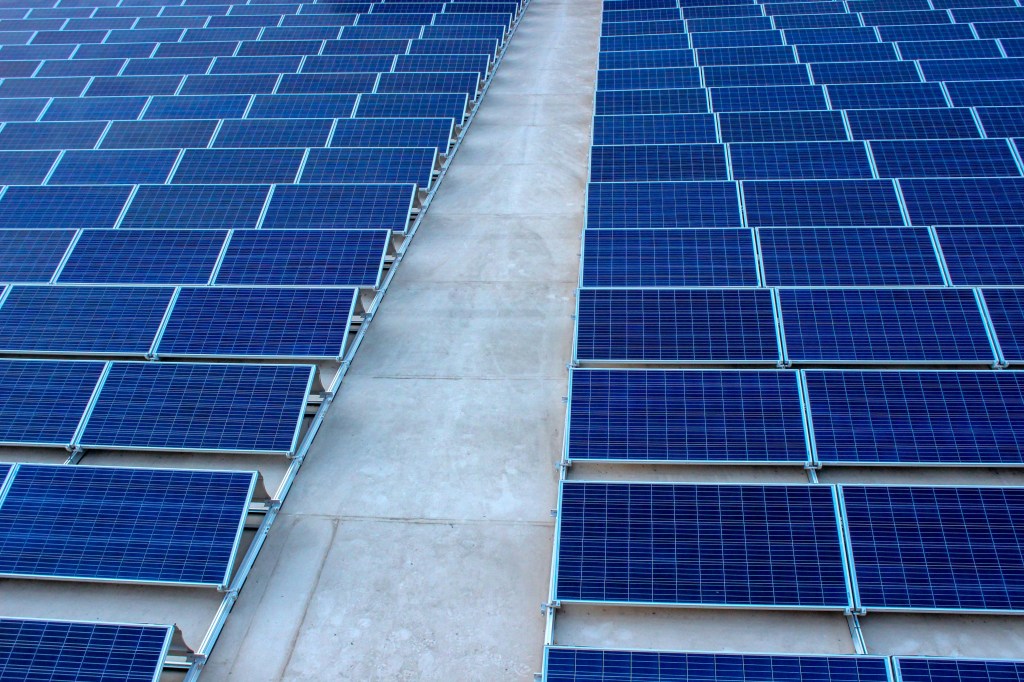
Discover how Michigan is leading the charge in solar energy adoption in 2025, with innovative projects, substantial incentives, and a commitment to a sustainable future.
Introduction
Michigan is experiencing a remarkable transformation in its energy landscape. In 2025, the state is setting benchmarks for others to follow. With significant investments, supportive policies, and community-driven initiatives, Michigan is illuminating the path toward a cleaner, more sustainable future.
1. Record-Breaking Solar Installations
Michigan has made substantial strides in expanding its solar capacity. In 2024 alone, the state added over 450 megawatts (MW) of solar energy, bringing the total to more than 1,800 MW—enough to power over 300,000 homes. This growth positions Michigan as a leader in renewable energy adoption.(WXPR)
2. Robust Incentives Fueling Growth
The state’s commitment to renewable energy is evident in its generous incentives:
- Federal Tax Credit: Homeowners can benefit from a 30% federal tax credit for solar installations, covering equipment, labor, and associated costs. (EcoWatch)
- State Rebates: Programs like the Lansing Board of Water & Light offer rebates up to $2,000 for residential solar installations. (EcoWatch)
- MI Solar for All: This initiative aims to bring solar energy to low-income communities, providing financial assistance and aiming for an average 20% reduction in electricity bills for participants. (Michigan)
3. Community and Urban Solar Projects
Urban centers are not left behind in this solar revolution:
- Detroit’s Solar Neighborhoods: The city is transforming vacant lands into solar fields to power municipal buildings, aiming for 100% clean energy by 2034. (City of Detroit)
- Community Solar Initiatives: Projects across the state are enabling residents to participate in shared solar installations, promoting inclusivity and broader access to renewable energy.
4. Economic Impact and Job Creation
The solar industry’s growth is also boosting Michigan’s economy:
- Job Creation: The clean energy sector now supports over 11,700 jobs in the state, with roles ranging from installation to maintenance. (Bridge Michigan)
- Manufacturing Investments: Companies like Corning are investing heavily in solar component manufacturing, with a $1.5 billion facility in Saginaw County expected to create 1,500 high-paying jobs. (Midland Daily News)
5. Policy Support and Future Goals
Michigan’s legislative framework is conducive to renewable energy growth:
- Clean Energy Targets: The state aims to generate 60% of its power from renewables by 2030 and achieve 100% clean energy by 2040. (Factor This™)
- Zoning Reforms: Public Act 233 of 2023 grants the Michigan Public Service Commission authority over large-scale renewable projects, streamlining the approval process and encouraging development. (Big Rapids Pioneer)
Conclusion
Michigan’s proactive approach to solar energy in 2025 showcases a successful blend of policy, community engagement, and economic investment. As the state continues to harness the power of the sun, it sets an inspiring example for sustainable development and energy independence.
References:
- GreenLancer: Installing Solar Panels In Michigan in 2025(GreenLancer)
- State of Michigan: MI Solar for All(Michigan)
- Bridge Michigan: More solar energy in Michigan will spark investment, job opportunities(Bridge Michigan)
- Michigan Advance: Michigan remains on top in clean energy projects, new study says(Michigan Advance)
- Renewable Energy World: Developers and advocates lay out methods for meeting Michigan’s 60% clean energy goal(Factor This™)
