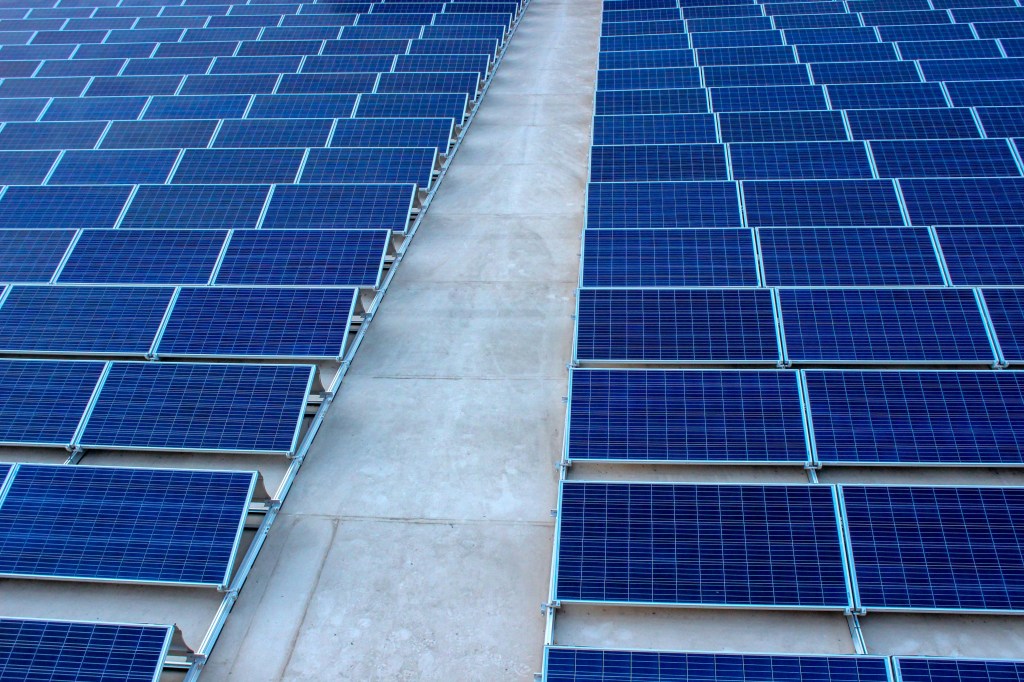
Explore the top solar energy innovations set to revolutionize the industry in 2025, from advanced panel technologies to AI-driven energy management systems.
Introduction
As we step into 2025, the solar energy sector is poised for remarkable advancements. With technological innovations enhancing efficiency and accessibility, solar power is becoming an increasingly viable option for homeowners and businesses alike. In this article, we’ll explore the cutting-edge developments set to shape the future of solar energy.
1. High-Efficiency Solar Panels
Advancements in solar panel technology are leading to higher efficiency rates, allowing for greater energy production from smaller surface areas. Perovskite solar cells, in particular, are emerging as a game-changer, offering cost-effective and efficient alternatives to traditional silicon cells.
Key Takeaway: Higher efficiency means more power generation with less space and cost—essential for meeting global energy demands sustainably.
2. Bifacial Solar Panels
Bifacial solar panels, capable of capturing sunlight from both sides, are gaining traction. This innovative design increases energy yield without requiring additional space, making them ideal for residential, commercial, and utility-scale projects.
Key Takeaway: Increased energy output from the same surface area makes bifacial panels a critical solution for areas with limited land availability.
3. Building-Integrated Photovoltaics (BIPV)
BIPV technology integrates solar panels directly into building materials such as windows and facades. This seamless blending of aesthetics and functionality opens up new possibilities for urban areas where space is limited.
Key Takeaway: Combining design with renewable energy production makes BIPV a win-win for sustainable urban development.
4. Floating Solar Farms
Floating solar farms, also known as floatovoltaics, involve installing solar panels on bodies of water. This approach optimizes land use and enhances panel efficiency due to the cooling effect of water. Additionally, these installations can reduce water evaporation and algae growth.
Key Takeaway: Floatovoltaics maximize land use while improving efficiency and offering environmental benefits—perfect for regions with water bodies and limited land.
5. Solar Energy Storage Solutions
The intermittent nature of solar energy has long been a challenge. However, advancements in energy storage technologies, such as lithium-ion and solid-state batteries, are enabling efficient storage of excess energy, ensuring a consistent power supply even when the sun isn’t shining.
Key Takeaway: Enhanced storage capacity is crucial for making solar energy a 24/7 power solution, supporting grid stability and resilience.
6. AI-Powered Energy Management Systems
Artificial Intelligence (AI) is revolutionizing energy management by optimizing consumption and storage. For example, AI-driven systems like EcoFlow’s Oasis provide real-time monitoring and predictive analytics, ensuring users maximize solar energy utilization while reducing costs.
Key Takeaway: Smarter energy management empowers homeowners and businesses to maximize savings and efficiency, driving solar adoption.
7. Community Solar Projects
Community solar projects are expanding access to renewable energy, allowing individuals to benefit from solar power without installing panels on their property. These initiatives promote local job creation and provide affordable, renewable energy to a broader audience.
Key Takeaway: Community solar democratizes access to renewable energy, making it more inclusive and accelerating the transition to clean energy.
8. Solar Recycling Initiatives
As solar installations increase, so does the need for sustainable disposal of panels at the end of their lifecycle. Companies are developing recycling programs to recover valuable materials like silicon, glass, and metals, reducing waste and production costs.
Key Takeaway: Recycling solar panels ensures the sustainability of the solar industry, reducing environmental impact and resource dependency.
Conclusion
The innovations outlined above demonstrate how the solar energy industry is evolving to meet the challenges of a growing global energy demand. From high-efficiency panels to AI-powered systems, these advancements are not only improving performance but also making solar power more accessible and sustainable.
By staying informed about these developments, homeowners, businesses, and policymakers can make strategic decisions that align with the future of clean energy. The time to invest in solar energy has never been more exciting!
References
- National Renewable Energy Laboratory (NREL): Emerging Solar Technologies
- Solar Energy Industries Association (SEIA): State of the Solar Industry
- EnergySage: Bifacial Solar Panels Explained
- PV Magazine: Advances in Perovskite Solar Cells
- EcoWatch: AI and Solar Energy Management
