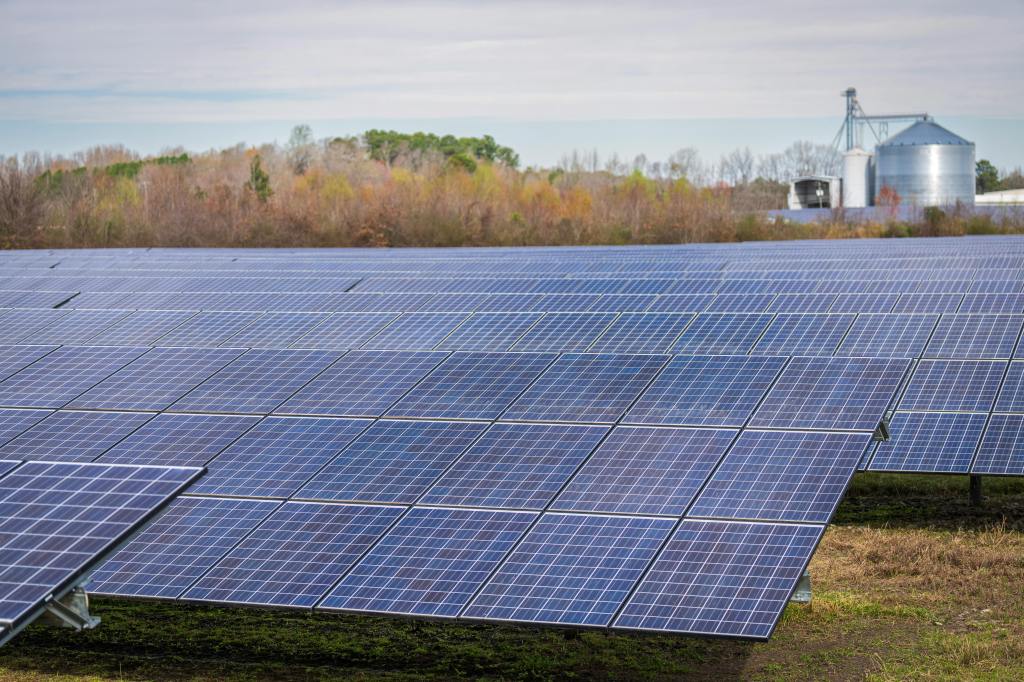
Discover how agrivoltaics boosts farmers’ incomes, drives rural economic growth, and supports global food security through innovative dual-use systems.
Introduction
Agrivoltaics offers more than ecological and technological advantages—it also drives significant economic benefits. By combining solar energy production with agricultural practices, farmers and energy providers can diversify income streams, reduce costs, and contribute to local economies. This installment delves into the economic potential of agrivoltaics, highlighting its financial benefits, challenges, and emerging trends, while exploring its role in global food security and international cooperation.
1. Cost Savings for Farmers
Agrivoltaics reduces operational expenses in several ways:
- Energy Efficiency Technologies: Solar-powered irrigation systems, LED grow lights, and other tools amplify energy savings for farmers. By harnessing renewable power directly on-site, farmers can reduce dependence on costly grid electricity or diesel-powered systems.
- Lifecycle Cost Analysis: While initial investments are higher, agrivoltaics proves cost-effective over time. Dual revenue streams from energy sales and crop production offset costs, leading to improved financial stability.
- Water Conservation: Reduced evaporation under solar panels significantly lowers irrigation costs. Studies in Rajasthan, India, report savings of up to 30% for farms adopting these systems.
Global Example: In the Netherlands, agrivoltaics combined with precision irrigation technology cut water usage by 20%, reducing overall operational costs for local farmers.
2. New Revenue Streams
Agrivoltaic systems create diverse income opportunities:
- Selling Surplus Energy: Farmers can sell excess electricity to the grid, ensuring a steady income source. Feed-in tariffs or power purchase agreements (PPAs) further incentivize this practice.
- Solar Leasing: Leasing portions of land to energy companies provides predictable income without disrupting agricultural activities.
- Value-Added Crops: Crops like berries, leafy greens, and shade-tolerant herbs thrive under panels, fetching premium market prices due to higher quality and reduced spoilage.
- Renewable Energy Certificates (RECs): Farmers can earn additional revenue by selling RECs, a financial instrument certifying their clean energy contributions.
- Agri-Tourism: Hosting eco-tourism initiatives, such as farm-to-table events, sustainability workshops, and guided tours of agrivoltaic farms, adds another revenue stream.
Insight: A study by Solar Power Europe suggests that farmers can increase annual incomes by 30–40% through energy sales and optimized crop yields under agrivoltaic systems.
3. Boosting Local Economies
Agrivoltaic systems significantly benefit rural communities:
- Job Creation: From installation to maintenance, agrivoltaic systems create jobs in construction, engineering, and agriculture. These systems also spur growth in secondary industries like equipment manufacturing and logistics.
- Local Manufacturing: Regional manufacturing of solar panels, mounting systems, and irrigation equipment supports local economies and reduces supply chain costs.
- Community Empowerment: Agrivoltaics in off-grid areas provides reliable electricity access, enabling small businesses to thrive and improving quality of life.
- Eco-Tourism Growth: Farms that integrate agrivoltaics often become hubs for eco-tourism, bringing visitors who spend on local accommodations, dining, and transportation.
Example: A pilot agrivoltaic project in Kenya provided clean energy to 50 households, creating jobs for local electricians and reducing reliance on expensive imported fuels.
4. Challenges in Realizing Economic Benefits
Despite its potential, agrivoltaics faces economic hurdles:
- High Initial Investment: Installation costs for solar panels and necessary infrastructure remain a barrier for small-scale farmers.
- Solution: Financial tools such as government subsidies, green bonds, and cooperative funding models can reduce upfront costs.
- Grid Access Costs: Farmers in remote areas often lack affordable connections to national grids, limiting their ability to sell surplus energy.
- Solution: Introducing microgrids or subsidized grid extensions can alleviate this issue.
- Land Tenure Issues: In regions with unclear land ownership, leasing agreements for solar installations can become complicated.
- Solution: Governments and NGOs should work to formalize land rights and create transparent leasing frameworks.
- Maintenance and Skill Requirements: Maintaining solar panels and managing hybrid systems may require technical skills not readily available to all farmers.
- Solution: Offering training programs and creating regional service hubs for maintenance can help farmers overcome this barrier.
5. Expanding Economic Opportunities in Agrivoltaics
Future advancements will unlock even greater economic potential:
- Carbon Credit Trading: Farmers practicing agrivoltaics may earn revenue through carbon credits by offsetting greenhouse gas emissions.
- Green Bonds for Financing: Green bonds can provide accessible capital for large-scale agrivoltaic projects, attracting environmentally conscious investors.
- Blockchain for Energy Transactions: Blockchain technology can facilitate secure, transparent energy sales, ensuring fair compensation for farmers.
- Collaborative Models: Small-scale farmers pooling resources to share a single agrivoltaic installation can reduce individual risks and costs while boosting collective benefits.
Vision: By 2035, agrivoltaic systems will likely become a standard practice, creating resilient rural economies and expanding clean energy access globally.
6. Agrivoltaics and Global Food Security
Agrivoltaics contributes to food security by:
- Improved Crop Yields: Reduced heat stress and enhanced water retention help farmers grow more resilient crops, even in extreme climates.
- Land Optimization: Dual-use systems maximize land productivity, meeting energy and food demands simultaneously.
- Climate Resilience: Agrivoltaics reduces farming vulnerability to climate change impacts, ensuring a steady food supply.
Example: In India, agrivoltaics has been integrated into rice paddies, resulting in stable yields while generating solar energy.
7. International Cooperation for Agrivoltaics
Collaboration across borders can accelerate agrivoltaic adoption:
- Knowledge Sharing: Countries like Germany and Japan, leaders in agrivoltaics, are sharing best practices with developing nations.
- Global Funding Initiatives: Organizations like the World Bank and the International Solar Alliance (ISA) are financing projects in low-income countries.
- Unified Standards: Developing international standards for agrivoltaic design and implementation can streamline adoption and attract global investment.
Conclusion
Agrivoltaics represents a transformative opportunity to combine energy production with agricultural sustainability. By saving costs, diversifying income, and boosting rural economies, it ensures long-term financial stability for farmers. Additionally, its contributions to global food security and climate resilience make it an indispensable tool for sustainable development. With continued innovation, supportive policies, and international collaboration, agrivoltaics can unlock unparalleled economic and environmental benefits.
References
- Solar Power Europe: Economic Benefits of Agrivoltaics
- National Renewable Energy Laboratory (NREL): Economic Research on Dual-Use Systems
- International Solar Alliance (ISA): Agrivoltaics in Developing Nations
- World Bank: Agrivoltaics and Global Food Security
- SEIA: Solar Energy Incentives for Farmers
