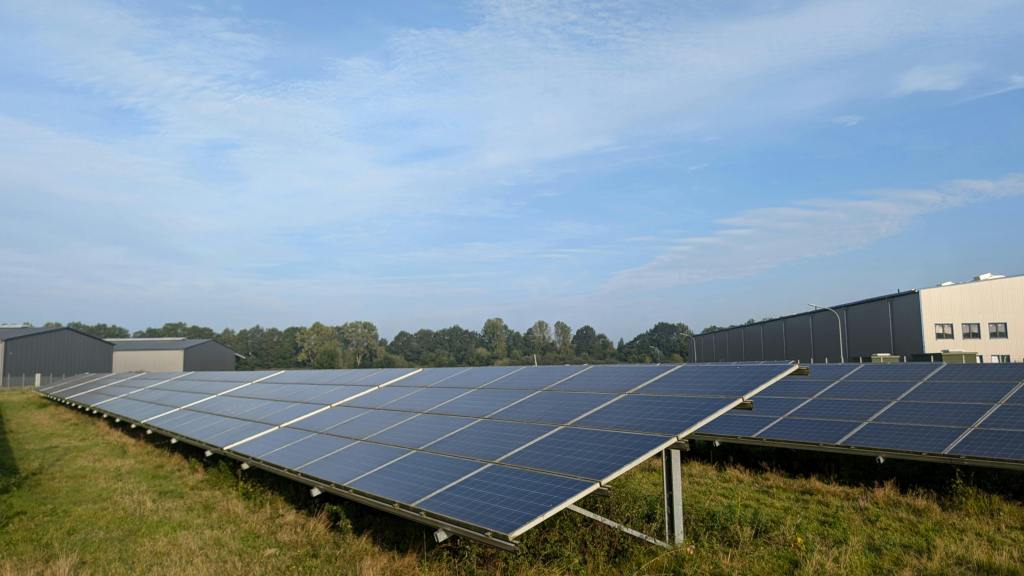
Discover how agrivoltaics enhances biodiversity through habitat creation, pollinator-friendly practices, and soil health improvements, fostering resilient ecosystems.
Introduction
Agrivoltaics not only addresses energy and agricultural challenges but also serves as a tool for fostering biodiversity. By combining solar panel installations with agricultural land, these systems can create microhabitats, support pollinators, and promote ecosystem resilience. In this installment, we explore how agrivoltaics can enhance biodiversity while maintaining productivity and sustainability.
1. How Agrivoltaics Supports Biodiversity
Agrivoltaic systems can positively impact biodiversity in several ways:
- Habitat Creation: The shaded areas under solar panels provide shelter for small mammals, birds, and insects.
- Pollinator-Friendly Plants: Native flowering plants grown around solar arrays attract bees, butterflies, and other pollinators.
- Soil Health Improvement: Vegetative ground cover under panels prevents soil erosion and supports a thriving ecosystem of microorganisms.
Example: In Germany, agrivoltaic farms have incorporated wildflower meadows beneath solar panels, significantly boosting local pollinator populations.
2. Dual-Use Designs for Ecosystem Benefits
Strategic design choices enhance the ecological impact of agrivoltaic systems:
- Mixed Land Use: Combining grazing livestock with solar installations supports both energy production and biodiversity.
- Agroforestry Integration: Planting trees alongside crops and panels creates diverse habitats while enhancing carbon sequestration.
- Wetland Preservation: Installing panels near or over wetlands ensures energy production with minimal disruption to native species.
Insight: Studies from the University of Oregon suggest that such designs can increase the abundance of native species while maintaining agricultural productivity.
3. The Role of Pollinators in Agrivoltaics
Pollinators play a crucial role in the success of agrivoltaic systems:
- Enhanced Crop Yield: Pollinator presence increases the pollination rate, improving the yield of crops such as fruits, vegetables, and nuts.
- Energy Crop Synergy: Flowering plants near solar panels support honey production and renewable energy generation simultaneously.
- Climate Resilience: Biodiverse pollinator populations contribute to ecosystem stability amid climate change.
Quote: “Agrivoltaics is a game-changer for pollinator conservation, offering a win-win for energy and agriculture,” says Dr. Linda Ellis, a biodiversity expert.
4. Challenges in Promoting Biodiversity in Agrivoltaics
While agrivoltaics offers biodiversity benefits, some challenges must be addressed:
- Land Use Conflicts: Balancing energy generation with ecological preservation requires careful planning.
- Solution: Incorporate biodiversity goals into agrivoltaic design from the outset.
- Species-Specific Needs: Certain species may not adapt well to altered environments.
- Solution: Use local ecological knowledge to create tailored habitat designs.
- Economic Constraints: Biodiversity-focused measures, like wildflower planting, may increase upfront costs.
- Solution: Leverage subsidies and grants for biodiversity-enhancing practices.
5. Future Trends: Enhancing Biodiversity in Agrivoltaics
Emerging strategies can further amplify biodiversity benefits:
- Solar Grazing: Incorporating livestock grazing around panels can maintain vegetation while enriching the soil with natural fertilizers.
- Dynamic Agrivoltaic Systems: Panels with adjustable heights or tilts can accommodate taller vegetation or agroforestry practices.
- Community-Led Conservation: Engaging local communities in biodiversity monitoring and management ensures long-term sustainability.
Vision: By 2030, agrivoltaics could integrate advanced biodiversity metrics into system designs, enabling precise ecological benefits alongside energy generation.
Conclusion
Agrivoltaics demonstrates how renewable energy can coexist with and enhance natural ecosystems. By creating habitats, supporting pollinators, and maintaining soil health, these systems contribute to ecological resilience. With innovative designs and a commitment to biodiversity, agrivoltaics can play a pivotal role in fostering sustainable and thriving ecosystems worldwide.
References
- National Renewable Energy Laboratory (NREL): Biodiversity Benefits of Agrivoltaics
- University of Oregon: Ecological Research in Agrivoltaics
- The Nature Conservancy: Solar and Biodiversity
- Science Direct: Pollinators in Solar Farms
- SEIA: Agrivoltaic Innovation
