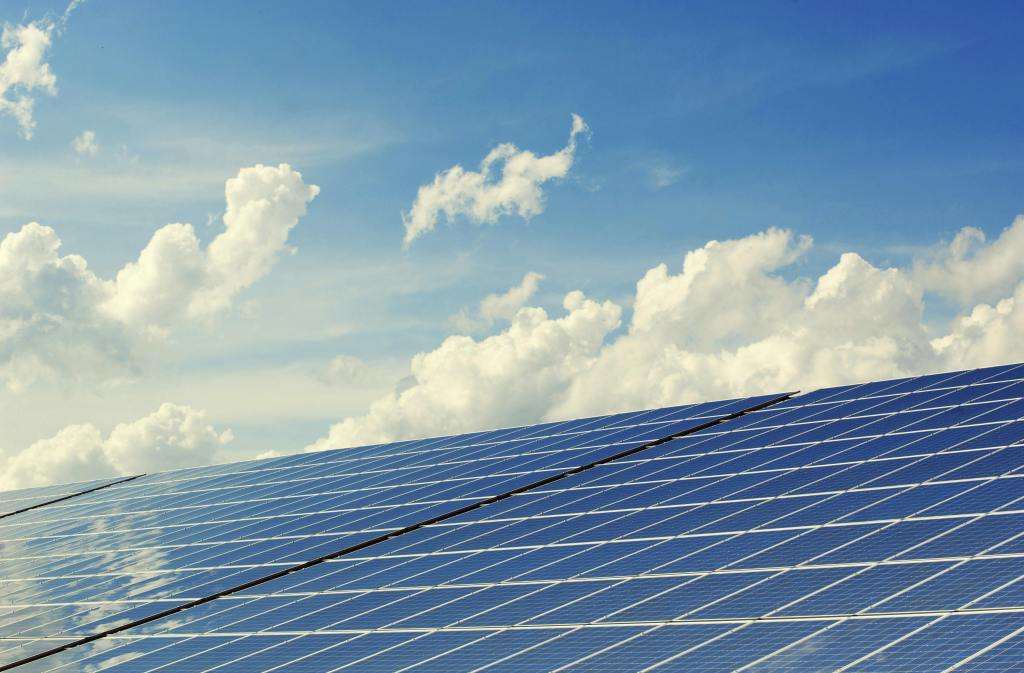
Discover agrivoltaics, the groundbreaking integration of solar energy and agriculture. Learn how this dual-use land strategy optimizes resources, boosts sustainability, and addresses global food and energy challenges.
Agrivoltaics, the innovative practice of integrating solar energy generation with agriculture, is gaining global traction as a transformative solution to energy and food production challenges. By enabling solar panels and crops to coexist on the same land, agrivoltaics creates a dual-purpose approach that optimizes resources while addressing critical issues such as climate change, land scarcity, and energy transition. This guide serves as an introduction to agrivoltaics, setting the stage for understanding its potential, benefits, and challenges.
What is Agrivoltaics?
Agrivoltaics (also known as solar sharing) involves the dual use of land for photovoltaic (solar) power generation and agricultural activities. Solar panels are strategically placed to allow crops, livestock, or aquaculture to thrive underneath or around them, creating a win-win for energy and agriculture.
Key Features of Agrivoltaics:
- Dual-use land optimization: Both solar energy and farming coexist on the same land area.
- Adaptability: Suitable for various crops, grazing livestock, and water-based farming.
- Eco-friendly design: Promotes sustainability by reducing land conflicts.
Agrivoltaics is revolutionizing agriculture by integrating modern renewable energy solutions into traditional farming practices.
History and Evolution of Agrivoltaics
The concept of combining solar panels with agriculture was first proposed in the 1980s, but practical implementation began only in the early 2000s.
- Early Innovations: Initial trials focused on elevated panels over vineyards and open-field crops in Europe and Japan.
- Global Expansion: Countries like France, Germany, and India have adopted agrivoltaics as part of their renewable energy strategies.
- Recent Advances: Innovations in panel design and mounting systems have expanded compatibility with various crops and livestock operations.
Benefits of Agrivoltaics
Agrivoltaics offers numerous environmental, economic, and social advantages, making it a vital tool for sustainable development.
Environmental Benefits:
- Efficient Land Use: Mitigates the competition between solar farms and agriculture for land.
- Climate Resilience: Reduces soil erosion and provides shade for crops, protecting them from extreme weather.
- Water Conservation: Decreases evaporation rates due to shaded ground.
Economic Benefits:
- Farmers gain an additional revenue stream from solar power generation.
- Long-term cost savings through reduced water usage and increased crop resilience.
- Potential eligibility for government incentives and subsidies.
Social Benefits:
- Promotes energy independence in rural communities.
- Supports local economies by diversifying income opportunities for farmers.
- Reduces reliance on fossil fuels, contributing to a greener future.
Current Global Adoption and Significance
Agrivoltaics is becoming a crucial strategy for addressing the growing demand for food and energy.
Countries Leading the Way:
- France: A pioneer in integrating solar panels with vineyards and orchards.
- Japan: Leveraging agrivoltaics to boost renewable energy while supporting rice and vegetable farming.
- India: Promoting agrivoltaics to maximize land use and uplift rural areas.
- USA: Expanding dual-use solar projects in states like Colorado, Oregon, and Massachusetts.
The significance of agrivoltaics lies in its ability to simultaneously address energy needs, climate goals, and food security.
Challenges and Opportunities in Agrivoltaics
While promising, agrivoltaics faces several challenges that must be addressed to unlock its full potential.
Challenges:
- High Initial Costs: The installation of agrivoltaic systems requires significant investment.
- Complex Design Requirements: Balancing optimal solar exposure with crop needs can be tricky.
- Regulatory Hurdles: Varying land-use policies and lack of clear guidelines can slow adoption.
Opportunities:
- Innovation in Panel Design: Semi-transparent and adjustable panels are improving crop compatibility.
- Government Support: Incentives and subsidies are driving adoption in key markets.
- Research and Development: Continuous advancements in agrivoltaic technology are expanding possibilities.
Why Agrivoltaics Matters
The world faces a dual crisis: the need for renewable energy to combat climate change and the demand for increased food production to sustain a growing population. Agrivoltaics offers a unique solution that aligns with these objectives.
By reducing the trade-offs between land use for agriculture and energy, agrivoltaics enhances sustainability and resilience, making it a critical tool for future development.
What’s Next?
In the next installment, we’ll dive deeper into the science behind agrivoltaics, exploring how solar panels interact with crops, their impact on yield, and the role of climate and soil conditions in determining system success.
References
- NREL: “Overview of Agrivoltaics” – Read More
- SEIA: “The Role of Agrivoltaics in Renewable Energy” – Read More
- EnergySage: “Agrivoltaics: Combining Solar Panels and Agriculture” – Read More
- Fraunhofer ISE: “Research and Developments in Agrivoltaics” – Read More
- PV Magazine: “Exploring the Potential of Agrivoltaics” – Read More
