Description:
Discover how agrivoltaics promotes biodiversity by creating habitats for wildlife while generating renewable energy. Learn about innovative practices merging solar energy and ecosystem conservation.
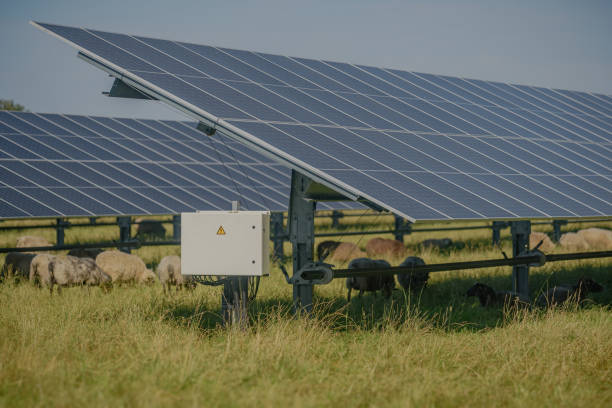
Agrivoltaics, the dual-use of land for solar energy and agriculture, has rapidly gained attention for its ability to optimize land use and promote sustainability. But beyond food and energy production, agrivoltaics can also play a pivotal role in fostering biodiversity. Solar farms, when designed with ecological principles, can become thriving habitats for wildlife, pollinators, and native plants, contributing to environmental resilience.
In this article, we’ll explore the unique intersection of agrivoltaics and biodiversity, uncovering how these systems benefit ecosystems while supporting renewable energy goals.
1. Agrivoltaics as a Haven for Wildlife
Traditional solar farms often exclude wildlife, but agrivoltaics reimagines this relationship by integrating nature into energy production areas.
- Pollinator-Friendly Plants:
- Many agrivoltaic projects include planting wildflowers or native vegetation beneath and around solar arrays.
- These plants attract bees, butterflies, and other pollinators essential for crops and ecosystems.
- Wildlife Corridors:
- Properly spaced solar panels and surrounding vegetation create pathways for small mammals, birds, and reptiles.
- This connectivity helps maintain ecosystem health and supports species migration.
- Shelter and Shade:
- Elevated solar panels provide shade for livestock and ground-dwelling species, helping them thrive even in harsh climates.
2. How Solar Farms Enhance Soil Health and Native Plants
Soil and plant life flourish in well-managed agrivoltaic systems, contributing to biodiversity at the ground level:
- Reduced Soil Erosion: Vegetation beneath solar panels prevents erosion, retaining vital nutrients for local flora and fauna.
- Reintroduction of Native Plants: Incorporating native species into agrivoltaic projects helps restore natural habitats and supports local wildlife.
- Improved Soil Microbiology: The combination of plants, grazing animals, and organic practices enriches soil microbiomes.
Insight: Healthy soils and diverse plant life form the foundation for robust ecosystems.
3. Solar Panels as Artificial Habitats
Surprisingly, solar panels themselves can become valuable microhabitats:
- Temperature Regulation: The shade provided by panels creates cooler microclimates, benefiting shade-tolerant plants and animals.
- Perches for Birds: Birds may use solar panel structures as perches, helping them spot prey and contribute to pest control.
- Shelter for Small Animals: Spaces beneath panels offer refuge for small mammals and reptiles from predators and extreme weather.
These unintended habitats demonstrate how solar infrastructure can coexist with nature.
4. Case Studies: Agrivoltaics Projects Supporting Biodiversity
Several projects worldwide showcase the success of agrivoltaics in fostering biodiversity:
- The Wildflower Project (UK): Solar farms in the United Kingdom are planting wildflower meadows under panels to encourage pollinator populations.
- Jack’s Solar Garden (USA): Located in Colorado, this agrivoltaic farm supports diverse crops, pollinators, and wildlife while generating clean energy.
- European Bee-Friendly Solar Farms: Countries like Germany and France are incorporating beehives and pollinator habitats into agrivoltaic designs.
These examples highlight the versatility and ecological benefits of agrivoltaics.
5. Challenges and Considerations in Merging Solar and Ecosystems
Despite its promise, integrating biodiversity with agrivoltaics comes with challenges:
- Balancing Energy and Ecology: Designing solar farms to maximize energy output while preserving ecosystems requires careful planning.
- Maintenance Costs: Managing vegetation and monitoring wildlife may increase operational costs.
- Community Involvement: Local stakeholders must be engaged to ensure projects align with regional ecological goals.
Solution: Collaboration between ecologists, farmers, and solar developers can overcome these hurdles to create sustainable systems.
6. The Future of Biodiverse Agrivoltaics
As agrivoltaics continues to evolve, its potential for biodiversity enhancement will grow:
- Policy Support: Incentives for pollinator-friendly solar farms and biodiversity-focused designs are gaining traction.
- Innovative Technologies: Advances in solar panel design, such as bifacial panels, enable better land sharing while maintaining energy efficiency.
- Global Biodiversity Goals: Agrivoltaics can play a role in achieving international conservation targets, such as the UN’s Sustainable Development Goals (SDGs).
Outlook: By integrating biodiversity into agrivoltaic systems, we can create a more harmonious relationship between renewable energy and nature.
Conclusion
Agrivoltaics is more than a strategy for optimizing land use—it’s an opportunity to promote biodiversity and strengthen ecosystems. By designing solar farms that support wildlife, native plants, and soil health, we can ensure that renewable energy solutions contribute to a sustainable and thriving planet.
Whether you’re a farmer, solar developer, or policymaker, exploring the synergy between agrivoltaics and biodiversity opens doors to innovation and environmental stewardship.
References
- NREL: Agrivoltaics Research: Integrating Solar Energy with Agriculture and Ecosystems. Visit Site
- SolarPower Europe: Biodiversity and Solar Energy: Best Practices for Solar Farms. Visit Site
- Nature Conservancy: Solar Farms and Pollinators: A Win-Win for Energy and Biodiversity. Visit Site
- Jack’s Solar Garden: Agrivoltaics and Biodiversity in Action. Visit Site
- Clean Energy Wire: Solar Farms Supporting Wildlife in Germany. Visit Site
