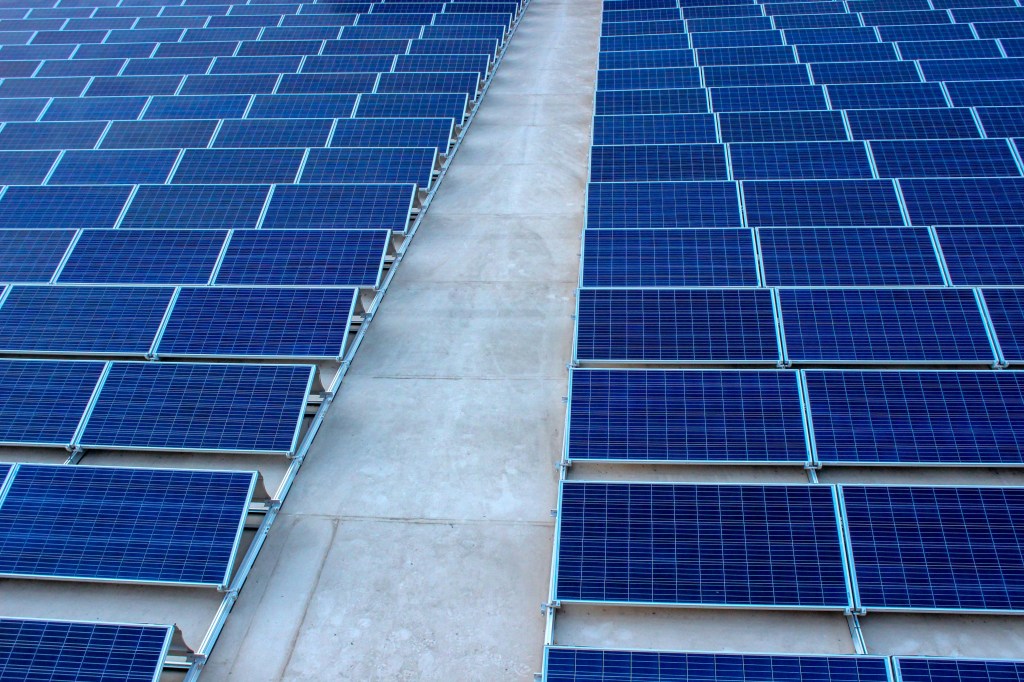
Discover the top solar energy trends and innovations expected in 2025, from groundbreaking technologies to expanding incentives and global adoption.
As the world transitions toward a greener future, 2025 promises to be a pivotal year for solar energy. From breakthrough technologies to new policies, here’s what homeowners, businesses, and industry leaders can expect.
Introduction
The solar industry has been on an upward trajectory for years, and 2025 is shaping up to be a landmark year. Innovations in photovoltaic (PV) technology, changes in government incentives, and growing global demand are setting the stage for a solar revolution. This article highlights the anticipated changes, emerging trends, and advancements that will define solar energy in 2025.
1. Advances in Solar Panel Efficiency
Efficiency improvements are central to making solar more viable for residential and commercial applications. In 2025, expect to see:
- Perovskite Solar Cells: Already showing promise, perovskite technology could dominate by offering efficiency rates surpassing 30%, significantly higher than today’s silicon-based panels.
- Bifacial Panels: These panels can absorb sunlight from both sides, making them ideal for installations with reflective surfaces like snow or light-colored rooftops.
- Tandem Cells: Combining different materials in solar cells could push efficiency beyond 40%, making solar power generation even more cost-effective.
2. Energy Storage Breakthroughs
Energy storage is critical to overcoming the intermittency of solar energy. By 2025, we can expect:
- Next-Gen Lithium Batteries: Enhanced lithium-iron-phosphate (LFP) batteries with longer lifespans and lower costs.
- Solid-State Batteries: Promising higher energy densities and safety, these batteries could redefine solar storage systems.
- Vehicle-to-Grid (V2G) Integration: Electric vehicles (EVs) will increasingly act as mobile energy storage units, allowing homeowners to store and use energy generated by their solar panels.
3. Expanding Solar Incentives and Policies
Governments worldwide are stepping up their commitment to renewable energy. In 2025, the following changes are anticipated:
- Increased Tax Credits: Many countries, including the U.S., are likely to expand solar tax credits, potentially extending the Inflation Reduction Act’s incentives.
- Net Metering Reforms: Policies may evolve to encourage fair compensation for excess energy sold back to the grid.
- Community Solar Expansion: Governments are expected to support community solar farms, enabling renters and those with unsuitable roofs to benefit from solar energy.
4. Smart Solar Technology Integration
The Internet of Things (IoT) will play a larger role in solar energy management. Here’s what to expect:
- AI-Driven Optimization: Artificial intelligence will help optimize energy production by predicting weather patterns and adjusting system performance accordingly.
- Smart Inverters: Advanced inverters will offer grid stability and better compatibility with smart home systems.
- Real-Time Monitoring Apps: Homeowners will enjoy detailed, real-time insights into their energy usage and solar panel performance.
5. Growth in Agrivoltaics
Agrivoltaics, or the dual use of land for agriculture and solar power, is set to boom in 2025. Benefits include:
- Maximizing Land Use: Solar panels provide shade for crops, improving water retention and reducing heat stress.
- Increased Energy Generation: Elevating solar panels allows farming equipment to operate underneath, blending agriculture and energy production seamlessly.
6. Solar Panel Recycling and Circular Economy
As solar panels age, managing waste will become a top priority. By 2025:
- Recycling Facilities Expansion: Dedicated facilities for recycling old solar panels will be operational in many regions.
- New Recycling Technologies: Advanced methods to extract valuable materials like silicon and rare metals will reduce manufacturing costs and environmental impact.
7. Residential Solar Trends
Homeowners will see significant shifts in how solar systems are marketed and installed, including:
- Plug-and-Play Systems: DIY solar kits with integrated storage will become widely available.
- Aesthetic Enhancements: Solar shingles and transparent panels will merge design with functionality.
- Bundled Solutions: Expect more bundled packages combining solar, storage, and EV chargers.
8. Global Expansion of Solar Adoption
Solar energy is becoming more accessible worldwide. Key developments include:
- Rural Electrification: Solar microgrids will bring electricity to remote areas in developing nations.
- Falling Costs: The cost of solar installations is projected to decline further, making it affordable for middle- and low-income households.
- International Collaboration: Countries will join forces to share solar technologies and tackle climate change collaboratively.
Conclusion
The solar energy industry is entering an exciting era of rapid growth and innovation. By 2025, advances in technology, storage solutions, and government policies will make solar energy more efficient, affordable, and accessible than ever. Whether you’re a homeowner, a business owner, or a renewable energy advocate, the future of solar energy promises brighter and cleaner days ahead.
References
- SEIA: Solar Industry Research Data
- NREL: Advanced Energy Technologies
- IRENA: Renewable Energy Insights
- EnergySage: Solar Panel Trends for 2025
- PV Magazine: Innovations in Solar Technology
