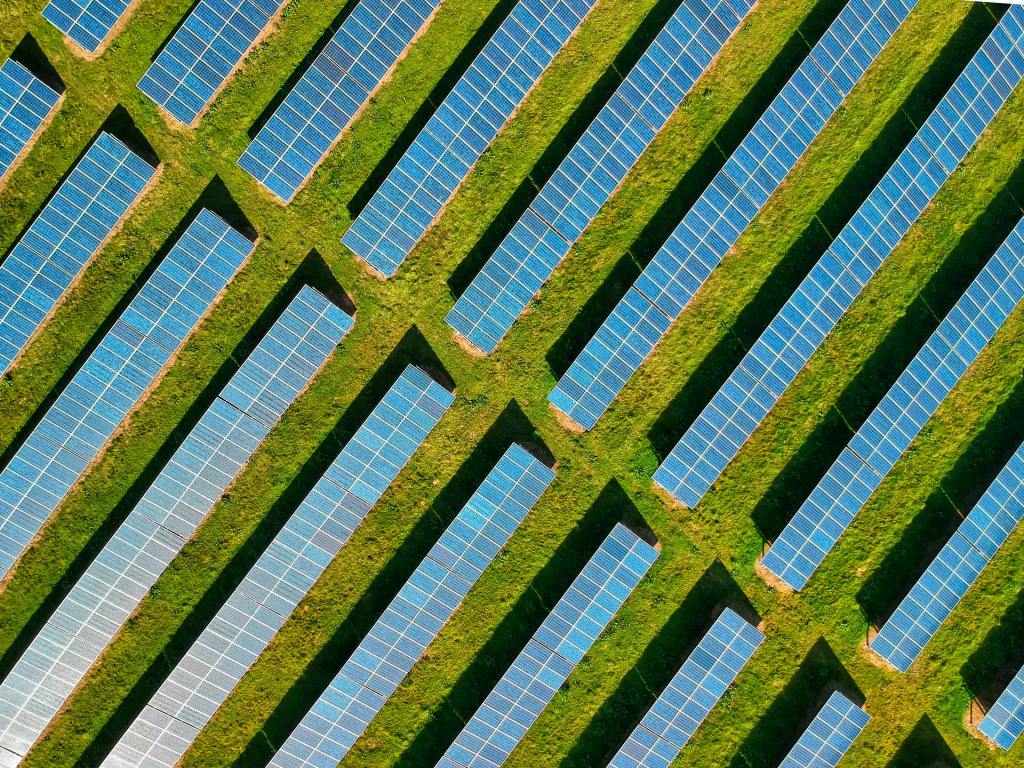
Agrivoltaics, the innovative practice of combining agriculture with solar energy production, is rapidly becoming one of the hottest topics in renewable energy and sustainable farming. By optimizing land use to produce both food and clean energy, agrivoltaics addresses critical challenges like climate change, energy demands, and food security. But how does this groundbreaking concept work, and why is it gaining so much traction globally?
This comprehensive guide explores everything you need to know about agrivoltaics, its benefits, challenges, and its transformative potential for a sustainable future.
What is Agrivoltaics?
Agrivoltaics, also known as dual-use solar or solar-agriculture integration, involves installing solar panels on farmland while maintaining agricultural production. Unlike traditional solar farms that occupy large tracts of land, agrivoltaics seeks harmony between energy generation and crop cultivation.
How It Works:
- Panel Placement: Solar panels are elevated or spaced to allow sufficient sunlight for crops beneath.
- Microclimate Creation: Panels provide partial shade, reducing heat stress on plants and conserving water.
- Energy and Food Production: Land generates solar electricity while continuing to grow crops or support grazing livestock.
The Benefits of Agrivoltaics
1. Dual Land Use
Agrivoltaics maximizes the productivity of farmland by enabling simultaneous farming and energy generation. This is crucial as the global population grows and the demand for land intensifies.
2. Enhanced Crop Growth
Studies suggest that certain crops thrive under solar panels due to reduced heat stress and optimized light exposure. For example:
- Leafy greens: Like lettuce and spinach, benefit from partial shade.
- Fruits: Tomatoes and berries can also grow well under agrivoltaic systems.
3. Water Conservation
Panels reduce evaporation from the soil by shielding it from direct sunlight. This is particularly beneficial in arid regions where water is scarce.
4. Renewable Energy Production
- Solar panels can power farm operations, reducing reliance on fossil fuels.
- Excess energy can be sold back to the grid, creating an additional income stream for farmers.
5. Climate Resilience
Agrivoltaics helps farms adapt to climate change by protecting crops from extreme weather, such as heatwaves and hailstorms, and reducing the carbon footprint of farming operations.
Real-World Examples of Agrivoltaics
1. Japan:
Agrivoltaics has been embraced as a solution to farmland shortages and renewable energy needs. In Japan, farmers grow tea and other crops under solar panels, generating electricity and agricultural output on the same land.
2. Germany:
German agrivoltaic projects are cultivating crops like wheat and potatoes beneath solar arrays, demonstrating that this technology works in diverse climates.
3. United States:
Pilot programs in states like Colorado, Oregon, and California are testing agrivoltaics with crops like kale, broccoli, and grapes.
4. India:
Agrivoltaics is being used to grow staple crops like millet and wheat, addressing the country’s dual challenges of food security and renewable energy needs.
Challenges of Agrivoltaics
Despite its promise, agrivoltaics comes with challenges:
1. High Initial Costs
Installing solar panels and the necessary infrastructure can be expensive, though costs are dropping as technology advances.
2. System Complexity
Designing systems that balance light for crops and energy generation requires careful planning and expertise.
3. Crop Compatibility
Not all crops are suitable for agrivoltaic systems. Research is ongoing to identify the best crop-solar combinations.
4. Maintenance Requirements
Dual-use systems require regular maintenance of both solar panels and crops, which can increase labor demands.
The Economic Impact of Agrivoltaics
Agrivoltaics can provide farmers with multiple revenue streams:
- Energy Sales: Farmers can sell solar energy to utilities or directly to consumers.
- Reduced Energy Costs: Farms can power operations with on-site solar electricity.
- Increased Crop Yields: Shade-tolerant crops can thrive, leading to higher productivity.
According to the National Renewable Energy Laboratory (NREL), agrivoltaic systems can increase land productivity by 60–70% compared to traditional farming or solar farms alone.
Key Innovations in Agrivoltaics
1. Transparent Solar Panels
New transparent photovoltaic technologies allow more sunlight to pass through, enhancing crop growth beneath the panels.
2. Tracking Systems
Panels that adjust their angle throughout the day provide optimal sunlight to both crops and solar cells.
3. Vertical Agrivoltaics
Vertical solar panels are being tested for vineyards and orchards, allowing full sunlight exposure for plants while generating energy.
The Global Push for Agrivoltaics
Governments and organizations are investing heavily in agrivoltaic projects:
- The European Union is funding large-scale agrivoltaic research under its Horizon Europe program.
- The United States Department of Agriculture (USDA) offers grants for agrivoltaic innovation.
- India’s PM-KUSUM scheme promotes agrivoltaics for farmers.
How to Get Started with Agrivoltaics
If you’re considering agrivoltaics, here are the steps to take:
- Assess Your Land: Determine if your farmland has suitable sunlight, soil, and crop conditions.
- Choose the Right Crops: Focus on crops that thrive under partial shade, such as lettuce, kale, or berries.
- Partner with Experts: Work with agrivoltaic consultants to design a system tailored to your land and goals.
- Seek Financial Support: Look for government incentives, grants, or loans for renewable energy projects.
Conclusion: Agrivoltaics as a Game Changer
Agrivoltaics has the potential to revolutionize both agriculture and renewable energy, making it a key player in the fight against climate change and the push for sustainable development. By maximizing land use, enhancing crop resilience, and producing clean energy, agrivoltaics offers a win-win solution for farmers and the planet.
As more countries and farmers adopt this innovative technology, agrivoltaics could redefine what it means to cultivate a truly sustainable future.
References
- National Renewable Energy Laboratory (NREL): Agrivoltaics Research
- SolarPower Europe: Agrivoltaics: Dual-Use Systems
- USDA: Agrivoltaics and Sustainable Farming
- Fraunhofer Institute: The Future of Agrivoltaics
- CleanTechnica: How Agrivoltaics is Changing Farming
Meta Description
Discover the revolutionary world of agrivoltaics, where agriculture meets solar energy. Learn how this dual-use innovation maximizes land productivity, enhances crop growth, and powers a sustainable future.
