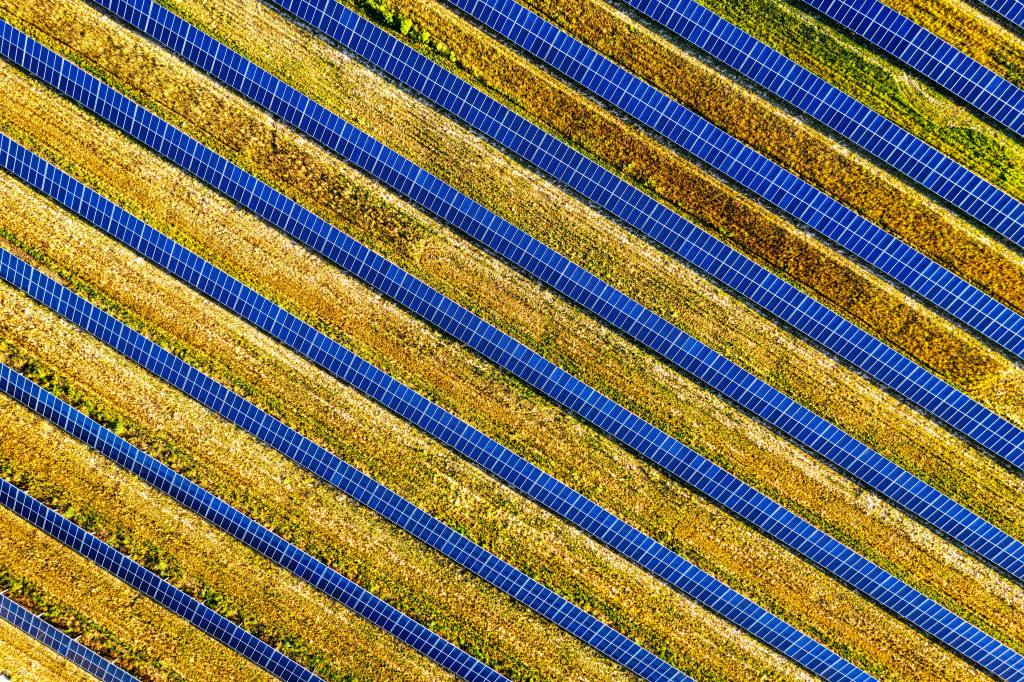
Description: Discover how Michigan can lead the way in agrivoltaics by blending solar energy with farming. Explore the steps, challenges, and opportunities that other regions can follow.
Introduction
Can solar panels and farms coexist—and even benefit each other? The answer lies in agrivoltaics, a revolutionary approach that allows agricultural activities and solar energy generation to share the same land. With Michigan’s strong agricultural backbone and ambitious clean energy goals, the state is uniquely positioned to embrace this dual land-use strategy.
However, for agrivoltaics to succeed, key pieces must fall into place: thoughtful policies, innovative farming techniques, and collaboration between stakeholders. If done right, Michigan could not only reshape its energy and agricultural future but also serve as a blueprint for other states looking to do the same.
In this article, we’ll explore:
- How agrivoltaics works and its potential in Michigan
- Steps Michigan must take to lead in agrivoltaics
- Key challenges and considerations to overcome
- What other states and regions can learn from Michigan’s approach
Let’s dive into this exciting fusion of farming and solar innovation—and uncover how it can become a reality.
1. How Does Agrivoltaics Work, and Why is Michigan Perfect for It?
Agrivoltaics involves installing solar panels on farmland while still allowing crops, grazing, or other agricultural activities to take place underneath or alongside them. Solar panel structures are typically elevated or spaced out to provide ample sunlight, airflow, and access to the land.
Michigan, with its expansive farmlands, diverse crop production, and growing interest in solar energy, is an ideal candidate for agrivoltaics. Here’s why:
- Agricultural Diversity: Michigan is a top producer of crops like corn, soybeans, and vegetables, which are well-suited for agrivoltaic systems.
- Climate Compatibility: Solar panels can protect crops from excess heat and harsh weather while improving water retention in the soil—critical benefits in Michigan’s changing climate.
- Clean Energy Goals: Michigan aims to reach 100% carbon-free electricity by 2040 under its MI Healthy Climate Plan, aligning well with agrivoltaics.
2. What Steps Need to Happen for Agrivoltaics in Michigan?
For agrivoltaics to thrive in Michigan, a combination of policy, technology, and collaboration must align. Here are the key steps:
1. Develop Clear Policies and Incentives
- Agrivoltaics Policy Framework: State and local governments must create clear guidelines for landowners to integrate solar projects with agriculture.
- Tax Incentives: Introduce incentives for farmers and solar developers to adopt agrivoltaic systems. This could include property tax exemptions or subsidies for clean energy projects.
- Zoning and Permitting: Adjust zoning laws to support agrivoltaic installations on farmland without penalizing agricultural land use.
2. Invest in Research and Pilot Projects
- Michigan’s universities and research institutions can lead the way by testing how crops like corn, soybeans, and berries perform under solar arrays.
- Pilot projects will help identify the best solar panel configurations, crop types, and farming techniques for maximum synergy.
3. Foster Partnerships Between Farmers and Solar Developers
- Collaboration is key. Solar companies must work with farmers to design systems that benefit both parties. For example:
- Solar developers gain access to land for energy production.
- Farmers maintain agricultural production and can diversify income through leasing agreements.
4. Educate and Engage Local Communities
- Address concerns about solar farms replacing agricultural land. Emphasize that agrivoltaics enhances, rather than replaces, farming.
- Showcase the economic and environmental benefits through outreach and education programs.
5. Leverage Funding and Grants
- Farmers can tap into federal programs like the USDA’s Rural Energy for America Program (REAP) to fund agrivoltaic projects.
- State-level grants can further encourage farmers to invest in clean energy solutions.
3. Challenges to Overcome for Agrivoltaics in Michigan
While the potential for agrivoltaics is promising, there are critical challenges to address:
- Initial Costs: Setting up agrivoltaic systems can be costly. Farmers and developers need financial support to make the investment feasible.
- Technological Adjustments: Solar panel structures must accommodate farming equipment and ensure sufficient sunlight for crops.
- Public Perception: Some communities may resist solar projects, fearing a loss of farmland. Education is key to showing the benefits of agrivoltaics.
- Policy Uncertainty: Without clear regulations, farmers and solar companies may hesitate to pursue agrivoltaic projects.
Michigan’s ability to tackle these challenges will determine how quickly it can adopt agrivoltaics—and whether it can become a leader in this space.
4. What Can Other States Learn From Michigan?
Michigan’s efforts to embrace agrivoltaics can provide a valuable roadmap for other states and regions:
- Collaboration is Key: Partnerships between farmers, researchers, and solar companies are critical for success.
- Pilot Projects Build Confidence: Start small with research-driven pilot projects to prove agrivoltaics works and adapt systems to local needs.
- Balance Energy and Agriculture Goals: Policies should support both renewable energy targets and the preservation of farmland.
- Community Buy-In Matters: Engaging local communities early can help overcome skepticism and create enthusiasm for agrivoltaic projects.
By leading the way, Michigan can demonstrate how agrivoltaics benefits farmers, communities, and the environment—encouraging other regions to follow suit.
Conclusion: A Vision for Agrivoltaics in Michigan
Agrivoltaics represents a transformational opportunity for Michigan’s agriculture and energy sectors. By combining solar panels with farming, the state can maximize land use, produce clean energy, and support local farmers—all at the same time.
However, success will depend on forward-thinking policies, strategic investments, and collaboration between stakeholders. If Michigan embraces agrivoltaics, it has the potential to lead the nation in sustainable land-use practices while providing a roadmap for others to follow.
The question is no longer whether farms and solar energy can coexist—it’s how quickly we can make it happen.
References
- U.S. Department of Energy: Agrivoltaics Research Overview
- Michigan State University: Dual-Use Solar and Agriculture in Michigan
- National Renewable Energy Laboratory (NREL): The Benefits of Agrivoltaics
- Solar Energy Industries Association (SEIA): Solar Energy and Agriculture
- U.S. Department of Agriculture (USDA): Rural Energy for America Program (REAP)
