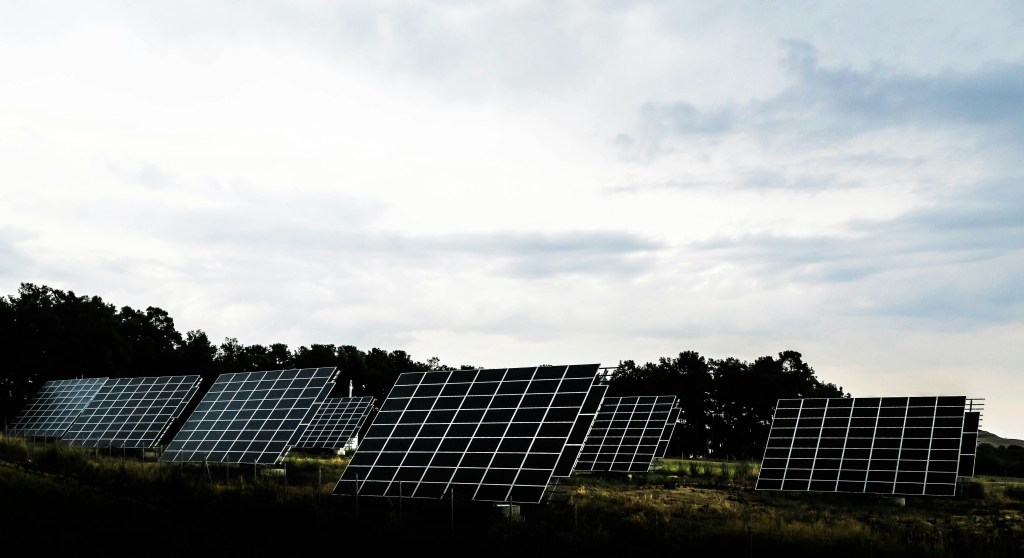
As Michigan continues to embrace renewable energy, community solar gardens are emerging as a groundbreaking solution to make solar power accessible to everyone. Whether you’re a homeowner without a suitable roof for panels, a renter, or simply looking for a more cost-effective way to harness solar energy, community solar gardens offer an enticing opportunity. But what exactly are they, and why are they gaining so much traction in Michigan? Let’s dig deeper into this innovative concept.
1. What Are Community Solar Gardens?
Community solar gardens are shared solar energy projects designed to provide clean electricity to multiple subscribers. Instead of installing panels on your roof, you “subscribe” to a portion of a centralized solar farm. The energy generated is fed into the grid, and participants receive credits on their utility bills for their share of the electricity produced.
Key Features of Community Solar Gardens
- Shared Ownership: Members buy or lease a portion of the solar array.
- No Rooftop Required: Ideal for renters or those with shaded roofs.
- Energy Savings: Utility bill credits often lead to significant cost reductions.
According to the Solar Energy Industries Association (SEIA), community solar projects accounted for over 5.7 GW of installed capacity in the U.S. by 2023—a figure projected to grow exponentially in the coming years.
2. How Do Community Solar Gardens Work?
Here’s how community solar gardens operate:
- Centralized Solar Array: Developers build a solar farm, typically on unused land or a large open area.
- Subscription Model: Participants buy or lease a share of the solar array, which could range from a small fraction to a more significant portion based on their energy needs.
- Utility Bill Credits: The power generated by the solar farm is fed into the grid. Subscribers receive credits on their monthly utility bills, reducing costs proportional to their solar share.
Did You Know?
Michigan’s Consumer Energy Community Solar Program allows subscribers to save up to 20% on their annual electricity bills, depending on the size of their subscription.
3. Why Are Community Solar Gardens Gaining Popularity in Michigan?
The rise of community solar gardens in Michigan isn’t just a passing trend; it’s a movement fueled by practicality and innovation. Here’s why they’re becoming a favorite choice:
Accessibility
- Perfect for renters or homeowners who can’t install solar panels.
- Helps low-income families access renewable energy without upfront costs.
Cost-Effective Solution
- Eliminates the high initial investment of rooftop panels.
- Offers predictable savings on utility bills.
Environmental Impact
- Reduces reliance on fossil fuels, cutting down greenhouse gas emissions.
- Helps Michigan meet its ambitious goal of achieving carbon neutrality by 2050, as outlined in the MI Healthy Climate Plan.
Scalability and Flexibility
- Easy to scale as demand increases.
- Communities can start small and expand their solar arrays over time.
Community Benefits
- Encourages collaboration and community engagement.
- Revenues generated often go toward local initiatives or further renewable energy projects.
4. Michigan’s Progress With Community Solar Projects
Michigan has been slower to adopt community solar compared to states like Minnesota and Colorado. However, momentum is building, thanks to policy changes and growing demand for renewable energy.
Current Projects
- The East Lansing Solar Park: One of Michigan’s first community solar projects, allowing over 300 households to benefit from renewable energy.
- MI Community Solar Alliance: A nonprofit initiative connecting residents with solar garden developers.
Policy Boosts
- The introduction of House Bill 4715, which aims to remove barriers to community solar development in Michigan, could lead to explosive growth in the sector by 2025.
- Michigan’s Renewable Portfolio Standard (RPS) mandates that 15% of electricity must come from renewable sources by 2025, further encouraging community solar initiatives.
5. Looking Forward: The Future of Community Solar Gardens in Michigan
The future of community solar in Michigan looks bright. Here are some predictions for the next decade:
Expanded Access
With increased legislative support, more Michiganders will have access to community solar projects, particularly in underserved rural and urban areas.
Technological Advancements
- The integration of smart grids and AI-powered energy management will make community solar more efficient and adaptable.
- Innovations like agrivoltaics, combining farming and solar energy, could double as community solar hubs.
Economic Benefits
- Michigan could see an influx of jobs related to solar construction, maintenance, and management.
- Economic benefits could ripple through local economies as residents save on energy and reinvest their money elsewhere.
Environmental Gains
By 2030, Michigan could see a reduction of millions of metric tons of CO2 emissions annually through expanded community solar adoption.
6. How Can You Get Involved in Community Solar?
Joining an Existing Project
- Check for available community solar projects near you using resources like EnergySage.
- Contact your local utility provider for options like the Consumers Energy Solar Gardens Program.
Starting Your Own Community Solar Garden
- Partner with local governments and solar developers.
- Leverage grants and incentives like the Federal Solar Investment Tax Credit (ITC), which offers 30% off installation costs for new solar projects.
7. Challenges Facing Community Solar in Michigan
Despite its promise, community solar faces obstacles:
- Regulatory Barriers: Outdated utility laws can restrict project development.
- Initial Costs: Funding the setup of solar farms remains a hurdle for many communities.
- Awareness: Many residents are unaware of community solar options or how to access them.
The Solution?
Advocacy for better policies and widespread education can dismantle these barriers, paving the way for a cleaner, more inclusive energy future.
Conclusion: A Brighter, Shared Future
Community solar gardens offer a unique path to cleaner energy and stronger communities. By sharing solar resources, Michiganders can save money, reduce their carbon footprint, and contribute to the state’s renewable energy goals—all without needing a rooftop or a big budget.
As the momentum grows, Michigan is poised to become a leader in community solar, driving innovation, sustainability, and inclusivity. Don’t wait to get involved in this exciting energy revolution—your wallet and the planet will thank you!
References
- SEIA: What is Community Solar?
- EnergySage: How Community Solar Works
- NREL: Community Solar Overview
- Michigan.gov: MI Healthy Climate Plan
- Consumers Energy: Solar Gardens Program
