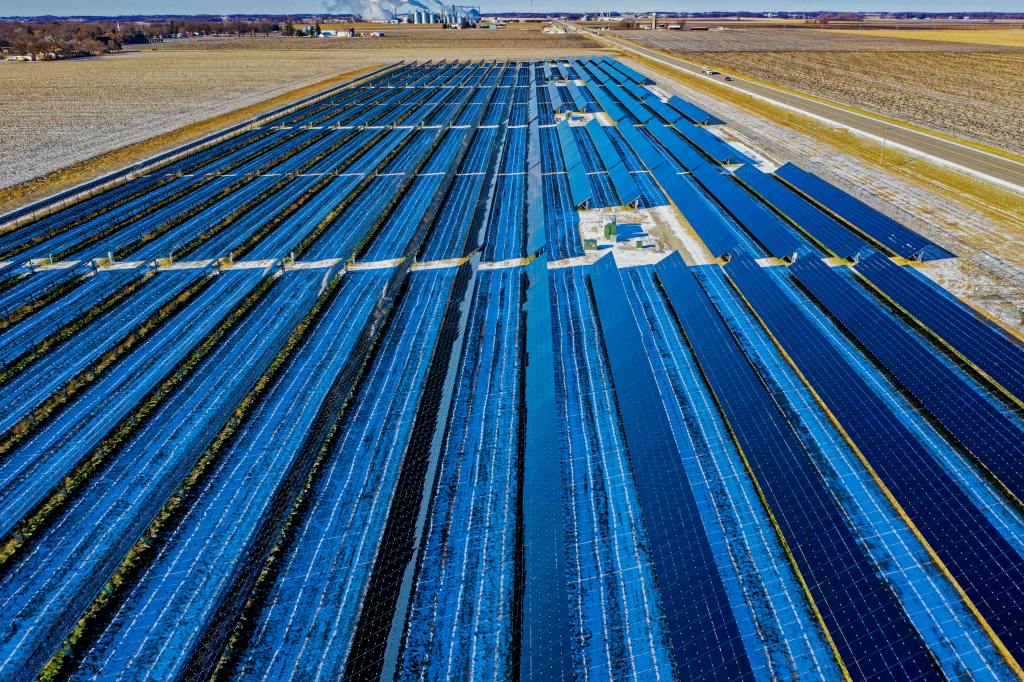
Agrivoltaics, the practice of integrating solar energy generation with agriculture, is reshaping land use dynamics across Michigan. As farmers and energy companies seek innovative solutions to optimize land resources, agrivoltaics offers a pathway to balance the growing need for renewable energy with agricultural productivity. Michigan, with its fertile lands and commitment to clean energy, is uniquely positioned to lead this transformative effort.
In this in-depth exploration, we’ll delve into how agrivoltaics works, its benefits and challenges, its potential in Michigan, and how this emerging field could redefine both solar energy and farming in the state.
What Is Agrivoltaics and How Does It Work?
Agrivoltaics, also known as dual-use solar, involves the co-location of solar photovoltaic systems with agricultural operations on the same parcel of land. Solar panels are strategically installed above crops, grazing fields, or orchards, creating a symbiotic relationship between energy generation and farming.
Key Features of Agrivoltaics
- Elevated Solar Panels: Panels are mounted higher than traditional installations to allow sunlight and equipment access to the crops below.
- Optimal Spacing: Rows of panels are spaced to balance sunlight for crops and maximize energy generation.
- Crop Compatibility: Certain crops, such as leafy greens, berries, and root vegetables, thrive under partial shade, making them ideal for agrivoltaic setups.
The Science Behind It
Solar panels absorb light to generate electricity while reflecting and diffusing a portion of sunlight. This creates a microclimate beneath the panels, which can reduce heat stress on crops, conserve soil moisture, and improve overall agricultural resilience.
The Growing Need for Agrivoltaics in Michigan
Michigan is both an agricultural powerhouse and a state focused on expanding renewable energy. With increasing pressure to meet renewable energy targets, agrivoltaics addresses two major challenges:
- Land Competition: As solar farms expand, agricultural land is at risk of being repurposed solely for energy generation.
- Climate Resilience: Farmers face extreme weather patterns, water shortages, and rising temperatures—all of which agrivoltaics can help mitigate.
By combining solar and agriculture, Michigan can create a win-win scenario where energy production enhances, rather than displaces, farming operations.
Unique Benefits of Agrivoltaics for Michigan
1. Energy and Agriculture Coexistence
Agrivoltaics offers a dual-purpose use of land, enabling farmers to continue agricultural activities while contributing to Michigan’s renewable energy goals. This approach ensures that farmland remains productive and versatile.
2. Economic Opportunities for Farmers
- Energy Lease Income: Farmers can lease portions of their land to solar developers, creating a steady revenue stream without halting farming operations.
- Energy Savings: On-site solar energy can power irrigation systems, cooling units, or other farming equipment, reducing energy costs.
3. Improved Crop Yields and Soil Health
Certain crops benefit from the shade provided by solar panels, which:
- Reduces water evaporation, conserving water resources.
- Lowers soil temperatures, protecting sensitive root systems.
- Shields crops from hail, heavy rain, and heatwaves.
4. Environmental Gains
- Agrivoltaics contributes to Michigan’s clean energy goals by reducing greenhouse gas emissions.
- The shading effect can promote biodiversity by creating microhabitats for pollinators and other beneficial species.
Exploring Agrivoltaic Potential in Michigan
Prime Regions for Development
Michigan’s agricultural diversity and abundant solar potential make it an ideal state for agrivoltaics. Regions with high solar irradiance, such as southern Michigan, and areas with extensive row crop farming are particularly promising.
Crop Compatibility in Michigan
Studies have shown that crops like lettuce, kale, tomatoes, and berries thrive in agrivoltaic systems. Michigan’s specialty crops, such as cherries, apples, and asparagus, may also benefit from the partial shade and climate protection provided by solar panels.
Challenges Facing Agrivoltaics
1. High Initial Costs
The upfront investment in agrivoltaic infrastructure can be significant. Specialized mounting systems, increased labor for setup, and additional engineering requirements often lead to higher costs compared to traditional solar farms.
2. Policy and Regulatory Barriers
Michigan’s zoning laws and agricultural preservation policies need to evolve to support dual-use solar systems. Many areas still classify solar installations as non-agricultural use, creating hurdles for farmers interested in agrivoltaics.
3. Research and Optimization Needs
More research is required to:
- Identify the most compatible crop varieties for agrivoltaic systems.
- Optimize panel designs for maximum energy production and agricultural benefits.
- Understand long-term soil and ecosystem impacts.
Case Studies and Success Stories
International Examples
- Japan: Agrivoltaic systems have been implemented to grow tea, lettuce, and other crops while generating solar energy.
- France: Vineyards in southern France use solar panels to shield grapevines from excessive heat, improving wine quality and energy output.
Michigan Initiatives
Local organizations, such as Michigan State University Extension, are actively exploring agrivoltaic solutions. This article discusses the growing interest in agrivoltaics and its potential to transform Michigan’s energy and agricultural landscapes.
The Future of Agrivoltaics in Michigan
Michigan’s dual-focus on renewable energy and agriculture positions it as a leader in the agrivoltaic movement. To realize its potential, the state needs to:
- Invest in Research: Public and private sectors must fund agrivoltaic trials to refine best practices for Michigan’s unique climate and crops.
- Update Policies: State and local governments should revise zoning and agricultural use laws to encourage agrivoltaic adoption.
- Provide Incentives: Tax credits, grants, and subsidies can help offset the high initial costs of agrivoltaic systems for farmers and solar developers.
Conclusion
Agrivoltaics is more than a technological innovation—it’s a transformative approach to sustainable land use. By integrating solar energy production with agriculture, Michigan can address land use conflicts, enhance crop yields, and support its renewable energy goals. With ongoing research, supportive policies, and farmer engagement, agrivoltaics has the potential to revolutionize Michigan’s energy and farming sectors, creating a greener, more resilient future.
References
- National Renewable Energy Laboratory (NREL): What is Agrivoltaics?
- Michigan State University Extension: Agrivoltaics in Michigan
- EnergySage: Dual-Use Solar Benefits
- U.S. Department of Energy: Innovative Solar Applications
- Michigan Solar Partners: The Future of Agrivoltaics
