Meta Description: Discover how agrivoltaics is revolutionizing Michigan’s agriculture and energy sectors. Learn how combining solar panels with farming can maximize land use and sustainability.
Introduction
Imagine a world where solar panels coexist with thriving crops, enhancing both energy production and agricultural yields. This innovative approach, known as agrivoltaics, is gaining traction in Michigan, offering a win-win for farmers and the environment.
In this article, we’ll explore how agrivoltaics is poised to reshape Michigan’s agricultural and renewable energy landscapes, detailing the benefits, challenges, and potential for widespread adoption.
1. What is Agrivoltaics?
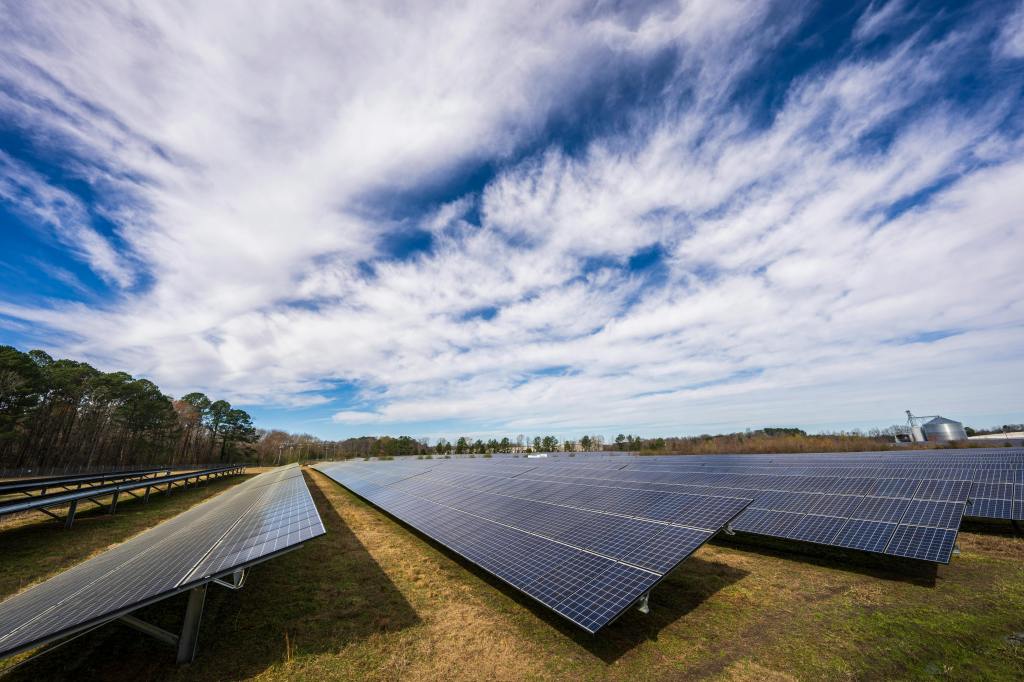
Agrivoltaics, also called agro-photovoltaics (APV), involves the strategic placement of solar panels above agricultural land. This dual-use system optimizes land by simultaneously generating renewable energy and growing crops.
Key Features:
- Elevated Solar Panels: Panels are mounted high enough to allow sunlight and farm equipment to access the ground.
- Crops Below Panels: Certain plants thrive in the partial shade provided by solar panels.
- Energy and Food Production: Combines two essential outputs from the same land area.
2. Why Agrivoltaics is Perfect for Michigan
Michigan’s rich agricultural history and growing renewable energy industry make it an ideal location for agrivoltaics.
Agricultural Advantages
- Diverse Crop Potential: Michigan produces fruits, vegetables, and grains that can benefit from partial shading.
- Protection from Weather Extremes: Solar panels shield crops from hail and reduce soil evaporation.
Energy Opportunities
- Solar Expansion Goals: With targets to expand solar capacity, agrivoltaics can contribute to achieving clean energy milestones.
- Land Optimization: Helps balance the demand for farmland and solar installations.
3. Benefits of Agrivoltaics
Environmental Benefits
- Reduced Land Use Conflict: Minimizes competition between agricultural and renewable energy needs.
- Increased Biodiversity: Creates habitats for pollinators like bees and butterflies.
- Carbon Reduction: Captures solar energy while supporting sustainable farming practices.
Economic Benefits
- Extra Income for Farmers: Farmers earn from leasing land for solar panels while continuing to grow crops.
- Energy Savings: Farms with agrivoltaic systems can use solar energy to power irrigation or storage facilities.
- Resilience Against Market Fluctuations: Diversifies farm income streams.
Improved Agricultural Yields
- Optimized Microclimate: Partial shading can reduce crop stress and boost yields for certain plants like lettuce, spinach, or berries.
- Water Efficiency: Shade from panels reduces water evaporation, conserving irrigation resources.
4. Challenges Facing Agrivoltaics in Michigan
While the potential is enormous, there are hurdles to overcome:
- High Initial Costs: Agrivoltaic systems require specialized mounting structures and advanced design.
- Crop Compatibility: Not all crops thrive in shaded environments. Careful selection is key.
- Policy Barriers: Michigan’s current zoning and energy regulations may need adjustments to support agrivoltaic projects.
5. Successful Agrivoltaic Projects Around the Globe
1. Japan:
Farmers in Japan grow crops like carrots and lettuce beneath solar panels, increasing land productivity by up to 60%.
2. Colorado, USA:
The Jack’s Solar Garden project combines solar energy with pollinator-friendly plants and grazing sheep, showcasing agrivoltaics’ versatility.
3. Germany:
Pioneers in agrivoltaics, Germany has seen increased crop yields of 20% under solar arrays.
These examples demonstrate the scalability and adaptability of agrivoltaics, lessons Michigan can learn from as it develops its own projects.
6. Potential Crops for Agrivoltaics in Michigan
Certain crops are better suited to partial shading and the microclimate created by solar panels.
Best-Suited Crops:
- Leafy Greens: Spinach, lettuce, and kale thrive with reduced heat stress.
- Fruits: Blueberries and strawberries benefit from protection against extreme sunlight.
- Root Vegetables: Carrots, radishes, and potatoes perform well under panels.
Livestock Integration:
- Grazing animals like sheep can maintain vegetation around panels, reducing maintenance costs.
7. Policy and Incentives for Agrivoltaics in Michigan
Current Support:
- Michigan Renewable Energy Goals: Align agrivoltaics with the state’s clean energy targets.
- Federal Tax Incentives: Agrivoltaics qualify for the 30% ITC.
Needed Adjustments:
- Zoning Reforms: Encourage dual-use land practices by updating zoning laws.
- Research Grants: Fund studies on the best crop and solar combinations for Michigan.
8. How to Get Started with Agrivoltaics
- Partner with Experts: Collaborate with solar companies experienced in agrivoltaics.
- Select Compatible Crops: Consult with agronomists to identify crops suited to your land.
- Apply for Incentives: Take advantage of tax credits and state programs.
- Monitor Performance: Use technology to track energy output and crop health.
Conclusion
Agrivoltaics represents a promising frontier for Michigan’s agriculture and renewable energy sectors. By combining solar panels with farming, this innovative approach maximizes land use, boosts income for farmers, and supports the state’s clean energy goals.
As Michigan continues to prioritize sustainability, agrivoltaics offers a practical, forward-thinking solution that benefits both farmers and the environment. Whether you’re a grower or a renewable energy advocate, now is the time to explore the potential of agrivoltaics.
References
- NREL: Agrivoltaics Research
- SEIA: Solar and Agriculture
- Michigan State University: Renewable Energy in Agriculture
- DOE: Agro-Photovoltaics Overview
- SolarPower Europe: Agrivoltaics Report
