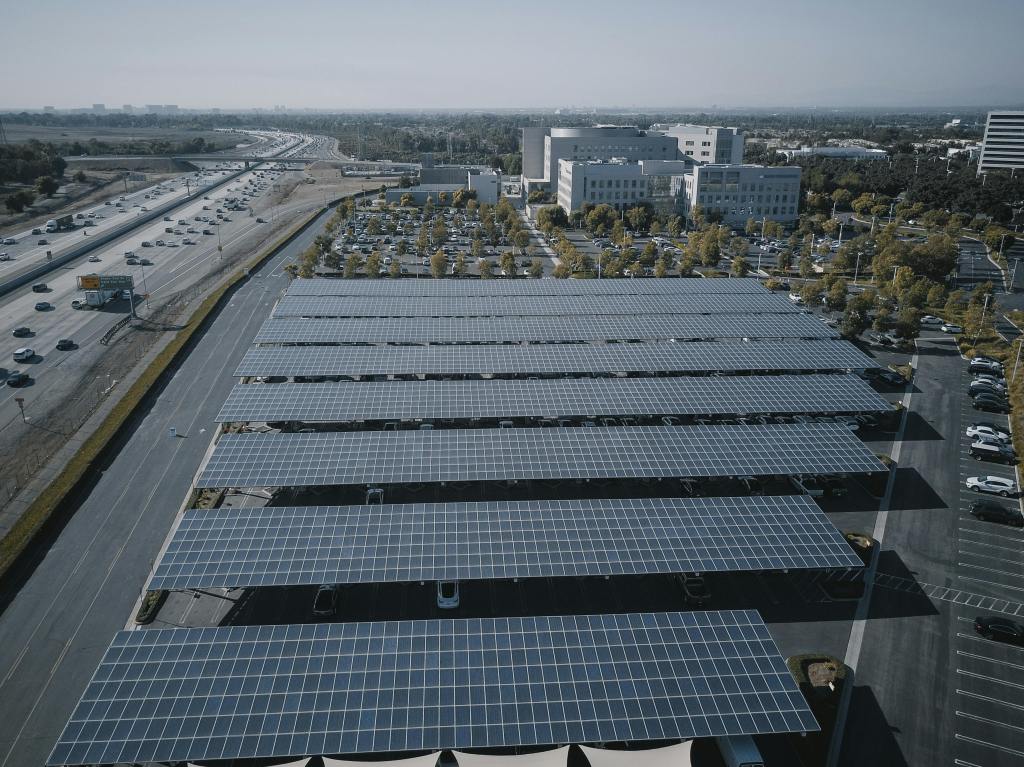
Meta Description: Discover how solar-powered EV charging stations are revolutionizing Michigan’s transportation landscape, promoting clean energy, and saving money for drivers.
Introduction
Electric vehicles (EVs) are gaining popularity across Michigan as a clean and cost-effective alternative to traditional gas-powered cars. However, the growing demand for EVs raises the need for sustainable and reliable charging solutions. Enter solar-powered EV charging stations—a game-changer that combines renewable energy with the convenience of modern transportation.
In this article, we’ll explore how solar-powered EV charging stations are paving the way for a greener Michigan, highlighting their benefits, functionality, and future potential.
1. The Need for Solar-Powered EV Charging Stations
As Michigan shifts towards sustainable energy and transportation, integrating solar power into EV infrastructure addresses multiple challenges:
- Rising EV Adoption: Michigan has seen a 25% increase in EV registrations over the past two years, with numbers expected to grow exponentially by 2030.
- Grid Strain: Traditional EV charging stations rely on the electrical grid, which can face capacity issues during peak demand.
- Carbon Reduction Goals: Solar-powered stations align with Michigan’s commitment to reducing greenhouse gas emissions.
2. How Solar EV Charging Stations Work
Solar-powered EV charging stations harness sunlight to generate electricity for charging electric vehicles.
Key Components:
- Solar Panels: Capture sunlight and convert it into electricity.
- Battery Storage: Stores excess energy for use during cloudy days or nighttime charging.
- EV Chargers: Provide Level 1, Level 2, or fast-charging capabilities.
- Grid Connection (Optional): Acts as a backup to ensure continuous power availability.
Benefits of Off-Grid Systems:
- Independence from utility electricity.
- Reduced vulnerability to power outages.
- Lower long-term operational costs.
3. Benefits of Solar EV Charging Stations in Michigan
Environmental Benefits
- Zero Emissions: Charging EVs with solar energy eliminates carbon emissions.
- Energy Efficiency: Maximizes renewable energy use and minimizes fossil fuel reliance.
- Air Quality Improvement: Reduced pollution benefits urban and suburban areas alike.
Economic Benefits
- Energy Cost Savings: Drivers save money by avoiding fluctuating electricity prices.
- Lower Installation Costs: Federal and state incentives make solar charging stations affordable.
- Community Investment: Local businesses hosting solar chargers attract eco-conscious customers.
Resilience and Reliability
- Solar EV stations with battery storage continue operating during grid outages, offering dependable charging options during emergencies.
4. Michigan’s Push for Solar EV Infrastructure
Michigan has been proactive in embracing EV technology and renewable energy:
Statewide Initiatives
- MI Healthy Climate Plan: Aims for a carbon-neutral economy by 2050, with solar charging stations playing a key role.
- Public-Private Partnerships: Collaborations between utilities, solar companies, and municipalities to expand charging networks.
Federal Support
- Investment Tax Credit (ITC): Covers 30% of installation costs for solar charging stations.
- NEVI Program: Federal funding for creating a nationwide EV charging infrastructure, with Michigan as a beneficiary.
5. Examples of Solar EV Charging in Action
University of Michigan:
The campus hosts solar-powered EV chargers, allowing students and staff to charge vehicles sustainably.
Meijer Solar Charging Pilot:
The Michigan-based retail chain is exploring solar-powered chargers at select locations, offering convenient charging for shoppers.
Local Governments:
Cities like Ann Arbor are investing in solar-powered EV stations to support local residents and reduce municipal emissions.
6. Key Features to Look for in Solar EV Charging Stations
For individuals or businesses interested in installing solar-powered EV chargers, consider the following:
- Charging Speed: Choose between Level 2 (ideal for homes and businesses) or DC fast chargers (better for public stations).
- Battery Capacity: Ensure sufficient storage to provide charging during off-peak sunlight hours.
- Smart Features: Look for chargers with app control, real-time monitoring, and energy usage tracking.
- Scalability: Opt for systems that can expand as EV demand grows.
7. Challenges to Adoption in Michigan
While the benefits are clear, solar-powered EV charging faces hurdles:
- High Upfront Costs: Initial investment for panels, chargers, and batteries can be significant.
- Space Requirements: Sufficient land or rooftop area is needed to install solar panels.
- Weather Dependence: Cloudy winters can reduce solar energy generation, necessitating backup solutions.
Solutions:
- Pair solar panels with grid connections or high-capacity batteries.
- Apply for incentives to offset costs.
8. The Future of Solar EV Charging in Michigan
As EV adoption accelerates, solar charging infrastructure will play a critical role in Michigan’s clean energy transition.
Emerging Trends:
- Integration with Smart Grids: Advanced grids can optimize when and where solar energy is distributed for EV charging.
- Wireless Charging: Research is exploring contactless solar-powered charging options for added convenience.
- Community Solar Projects: Shared solar installations could power public EV chargers, making them accessible to more people.
Conclusion
Solar-powered EV charging stations are more than a sustainable solution—they represent the future of transportation and energy in Michigan. By reducing emissions, cutting costs, and increasing energy independence, these innovative systems are paving the way for a greener, more resilient future.
Whether you’re an EV owner, business operator, or policy advocate, now is the time to support the integration of solar-powered EV infrastructure across Michigan.
References
- Department of Energy: Solar and EV Charging
- NREL: Solar EV Infrastructure Research
- EnergySage: Solar-Powered Charging Stations
- University of Michigan: Sustainability Programs
- SEIA: Solar Market Overview
