Introduction: A Milestone Worth Celebrating
Welcome to Michigan Solar Partners’ 50th blog post! This milestone is more than just a number—it represents countless hours spent empowering Michigan residents with the knowledge and tools to make informed decisions about solar energy. From debunking myths to showcasing cutting-edge innovations, our journey has been about one thing: helping you take advantage of the incredible potential of solar energy.
In this comprehensive guide, we’ll explore Michigan’s solar evolution, highlight landmark projects and breakthroughs, share insights from our readers, and dive into the future of solar in the Great Lakes State. Whether you’re new to solar energy or a seasoned enthusiast, this post is designed to be your all-encompassing resource.
1. Michigan’s Solar Evolution: From Niche to Mainstream
1.1 Early Days: Solar Energy in Michigan Before 2010
In the early 2000s, Michigan’s solar industry was nascent, hindered by high costs and limited public awareness. Few homeowners or businesses considered solar installations, and incentives were sparse. Projects like DTE Energy’s solar farm in Ann Arbor served as rare examples of solar adoption.
1.2 Policy Catalysts: Renewable Portfolio Standards and Net Metering
The adoption of Michigan’s Renewable Portfolio Standard (RPS) in 2008 set the stage for growth. The RPS required utilities to source a percentage of their energy from renewable sources, spurring investments in solar infrastructure. Net metering policies allowed solar owners to sell excess electricity back to the grid, increasing affordability and appeal.
1.3 Solar’s Recent Boom: 2015–2024
The last decade saw exponential growth in solar adoption due to advancements in technology, significant price drops (solar costs fell by over 80%), and the introduction of state and federal incentives. Programs like Michigan Saves and the federal Solar Investment Tax Credit (ITC) further fueled adoption, making solar an attainable option for more households and businesses.
2. Landmark Projects That Changed Michigan’s Solar Landscape
2.1 The Lapeer Solar Park
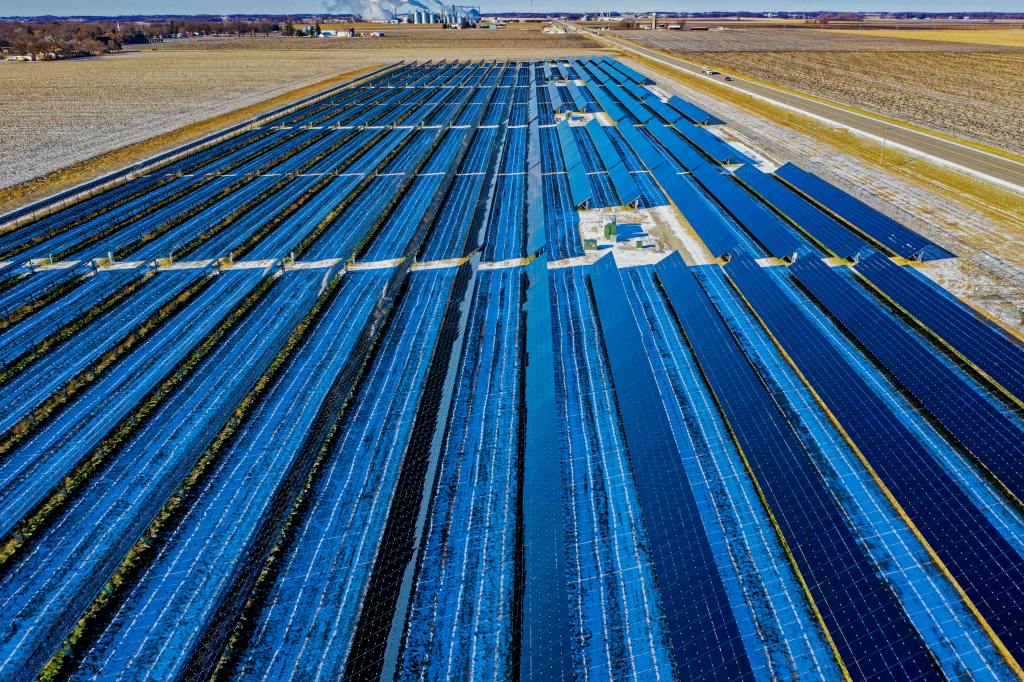
The Lapeer Solar Park, a sprawling 250-acre site, generates enough energy to power over 15,000 homes. Completed in 2017, it remains a testament to Michigan’s commitment to renewable energy and its ability to scale solar projects for maximum impact.
2.2 Delhi Township’s Solar Project
Delhi Township’s innovative use of federal rebates to install solar panels across six facilities, including senior centers and community centers, demonstrates how local governments can lead the way. This project is expected to save the township millions in energy costs over the next decade.
2.3 The MI Healthy Climate Plan
Unveiled in 2022, this comprehensive plan aims for carbon neutrality by 2050. Solar energy plays a central role, with goals to increase distributed solar installations statewide, ensuring clean energy access for all communities.
3. Michigan Solar Partners: 50 Posts of Impact and Empowerment
3.1 Our Mission and Values
Since our inception, Michigan Solar Partners has aimed to demystify solar energy for Michigan residents. We break down complex topics, advocate for equitable access to renewable energy, and share actionable advice that helps readers save money and reduce their carbon footprint.
3.2 Popular Posts and Reader Favorites
- “10 Solar Myths That Are Costing You Thousands”: An in-depth myth-busting guide that resonated with readers looking to cut through misinformation.
- “The Ultimate Solar Installation Handbook”: A step-by-step resource for homeowners and businesses, guiding them from initial site assessments to long-term maintenance.
- “What to Expect for Solar Incentives in Michigan in 2025”: A forward-looking piece that helped readers plan their solar investments with confidence.
3.3 Impact Stories
Dozens of readers have shared how our posts inspired them to go solar. From families in Detroit saving on utility bills to rural farmers in Traverse City powering their operations sustainably, these stories showcase the real-world benefits of solar energy.
4. Demystifying Solar: Your Complete Guide
4.1 How Solar Panels Work
Solar panels convert sunlight into electricity through photovoltaic (PV) cells. Even in cloudy weather, Michigan residents can generate substantial energy thanks to advancements in PV efficiency.
4.2 Installation Process
- Step 1: Site Assessment: A professional evaluation ensures your home or business gets maximum sunlight exposure.
- Step 2: Financing Options: Choose between cash purchases, solar loans, or power purchase agreements (PPAs).
- Step 3: Installation and Grid Connection: Licensed installers complete the setup, and your system is connected to the grid for net metering benefits.
4.3 Maintenance Tips
- Clean panels twice a year to remove debris.
- Check inverter performance regularly.
- Monitor energy production with apps provided by your installer.
5. Financial Benefits of Solar Energy
5.1 Federal and State Incentives
- The Solar Investment Tax Credit (ITC): Homeowners and businesses can claim 30% of installation costs as a federal tax credit.
- Michigan’s Solar Rebate Programs: Incentives like net metering and utility rebates reduce upfront costs and improve ROI.
5.2 Long-Term Savings
Solar panels typically pay for themselves in 7–10 years through energy savings, after which most of the electricity generated is essentially free. Over their 25–30-year lifespan, panels can save homeowners tens of thousands of dollars.
6. The Future of Solar Energy in Michigan
6.1 Emerging Technologies
- Bifacial Solar Panels: Generate electricity from sunlight on both sides, increasing efficiency.
- Solar Roof Tiles: Seamlessly integrate into rooftops, blending aesthetics with functionality.
- Improved Battery Storage: Innovations in lithium-ion and solid-state batteries enable better energy storage for cloudy days or nighttime use.
6.2 Solar Accessibility for All
Programs like MI Solar for All aim to bring solar to low-income households, ensuring equitable access to renewable energy.
6.3 Policy Predictions
Michigan’s commitment to carbon neutrality by 2050 suggests continued support for solar incentives. Expect expansions in community solar programs and further investments in large-scale solar farms.
7. Join the Movement: How You Can Get Involved
7.1 Share Your Solar Story
Have you installed solar panels? Let us feature your journey in an upcoming post!
7.2 Advocate for Solar Policies
Support renewable energy legislation by contacting local representatives or joining advocacy groups like the Michigan League of Conservation Voters.
Conclusion: Here’s to the Next 50 Posts!
This milestone is a testament to the power of community and knowledge-sharing. Michigan Solar Partners will continue to light the way toward a cleaner, greener future, one post at a time. Whether you’re a homeowner exploring solar for the first time or a business owner ready to invest, our commitment remains the same: to empower, educate, and inspire.
