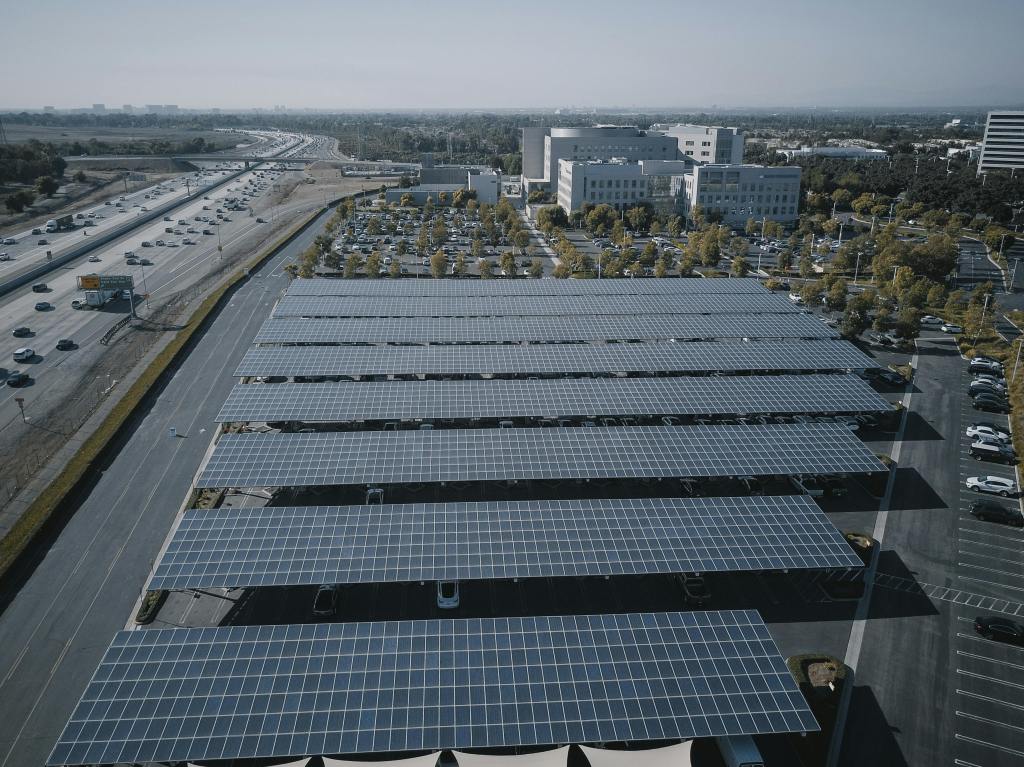
Michigan is quickly becoming a hub for innovative solar energy solutions, and community solar projects are a critical piece of this transformation. These collaborative initiatives make solar energy accessible to those who can’t install panels on their property, offering a practical, affordable way to participate in the renewable energy movement.
While rooftop solar often dominates the conversation, community solar projects are quietly revolutionizing how Michiganders access clean energy. In this article, we’ll uncover the lesser-known aspects of community solar, explore how it’s solving critical energy challenges, and show why Michigan is poised to become a leader in shared solar energy.
What Are Community Solar Projects?
Community solar projects, sometimes called shared solar, involve centralized solar arrays that generate electricity shared by multiple participants. Unlike rooftop solar, where panels are installed on individual homes, these projects allow individuals to subscribe to a portion of the energy generated. Subscribers then receive credits on their utility bills for their share of the electricity produced.
This approach opens the door for renters, low-income households, and property owners with unsuitable rooftops to benefit from renewable energy.
Key Features of Community Solar:
- Universal Accessibility: Participants don’t need to own property or have a solar-compatible roof.
- Cost Sharing: Community projects distribute installation and maintenance costs across many users, lowering individual expenses.
- Scalability: These projects often have a much larger capacity than individual rooftop systems, amplifying their environmental impact.
Michigan’s Growing Community Solar Landscape
Michigan has seen a rise in community solar projects over the past decade, spurred by a combination of grassroots efforts, utility programs, and growing public awareness.
Utility-Led Programs
Major utilities like Consumers Energy and DTE Energy have introduced community solar programs as part of their broader renewable energy goals. Consumers Energy’s Solar Gardens Program is a notable example, offering Michigan residents and businesses the opportunity to subscribe to solar power generated at dedicated solar farms in Cadillac and Lansing.
Learn More:
Consumers Energy: Solar Gardens Program – Details about subscription options, costs, and benefits.
Nonprofit and Grassroots Initiatives
Nonprofits are also stepping up to fill gaps in accessibility. In Detroit’s Highland Park neighborhood, a solar project led by grassroots organizations is addressing energy equity by providing low-cost solar energy to underserved communities. This project not only supplies clean energy but also empowers residents with education and tools to take control of their energy future.
Reference:
Highland Park Solar Case Study: DOE – Highlighting the success of community-driven renewable energy solutions.
The Untold Benefits of Community Solar
1. Expanding Access to Renewable Energy
It’s estimated that 75% of U.S. households are unsuitable for rooftop solar due to factors like shading, structural issues, or homeownership restrictions (National Renewable Energy Laboratory, 2023). Community solar provides a solution, making solar energy a reality for those who previously had no access.
2. Overcoming Upfront Cost Barriers
The cost of installing solar panels—often exceeding $15,000—can deter many homeowners. Community solar eliminates this hurdle by offering subscription-based models that require no significant upfront investment.
3. Addressing Energy Equity
Low-income households in Michigan spend a disproportionate share of their income on energy bills. Community solar not only reduces these costs but also distributes the benefits of renewable energy more equitably.
4. Boosting Local Economies
Community solar projects create jobs in installation, maintenance, and project management while keeping energy dollars local. Michigan’s clean energy sector already supports over 126,000 jobs (Environmental Entrepreneurs, 2023).
How Community Solar Works: Demystifying the Process
The concept of community solar is straightforward, yet many people are unfamiliar with how it operates. Here’s a breakdown:
- Development: A solar array is built on a designated site, such as vacant land or a commercial rooftop.
- Subscription: Participants—ranging from homeowners to small businesses—subscribe to a share of the array’s energy production.
- Energy Distribution: The electricity generated is fed into the grid, and participants receive credits on their utility bills proportional to their subscription.
Challenges and Opportunities in Michigan
1. Policy and Legislative Hurdles
Michigan’s policies for community solar lag behind states like Minnesota and Colorado, where community solar programs have flourished under more favorable legislation.
What’s Needed:
- Clearer guidelines for community solar developers.
- Enhanced incentives to encourage participation and investment.
2. Grid Integration
Community solar requires a modernized grid to handle distributed energy resources efficiently. Michigan is making strides in this area, but continued investment is necessary to support the rapid expansion of shared solar.
3. Public Awareness
A significant barrier to adoption is a lack of understanding about how community solar works. Many residents mistakenly believe they must install rooftop panels to access solar energy. Educational campaigns and partnerships with local organizations are vital to changing this perception.
Reference:
SEIA: The State of Community Solar – Insights into national trends and best practices for community solar adoption.
The Bigger Picture: Why Community Solar Matters
Michigan’s commitment to renewable energy isn’t just about meeting state targets; it’s about creating resilient, self-sufficient communities. Community solar represents a unique opportunity to transform how energy is produced and shared, breaking down traditional barriers of cost and accessibility.
Imagine neighborhoods where everyone—from renters in downtown Detroit to farmers in rural counties—can benefit from the same solar array. The environmental benefits multiply, energy costs drop, and entire communities gain a sense of ownership over their energy future.
How You Can Get Involved
- Check Local Programs: Research programs like Consumers Energy’s Solar Gardens or Cherryland Electric Cooperative’s Solar Up North Project.
- Advocate for Policy Change: Support legislation that promotes community solar in Michigan, such as expanded net metering or community solar tax credits.
- Educate Your Community: Spread the word about the benefits of shared solar and help dispel common misconceptions.
Conclusion: The Future of Energy in Michigan is Collaborative
Community solar is more than a technological solution—it’s a social innovation. It’s making renewable energy more inclusive, equitable, and impactful than ever before.
Michigan is at a tipping point, where strategic investments and public engagement can propel community solar to the forefront of its energy landscape. By embracing this model, the state can lead the nation in creating greener, more resilient neighborhoods.
References:
