Thanksgiving is a time for gratitude, connection, and celebration. But did you know it’s also a time of massive energy consumption?
Here in Michigan, as homes light up with festive décor and ovens work overtime to prepare holiday feasts, our reliance on fossil fuels increases dramatically. Unfortunately, this seasonal energy surge comes at a cost—environmentally and financially. What if there was a cleaner, smarter way to power our traditions?
Enter solar energy: a game-changing solution that Michigan has yet to fully embrace. Contrary to popular belief, our state receives ample sunlight throughout the year, comparable to regions like Germany, a global leader in solar adoption. Despite this, solar energy still accounts for only a small fraction of Michigan’s power generation.
This Thanksgiving, let’s imagine a different kind of energy future—one powered by the sun. Solar energy offers Michigan households and businesses an opportunity to reduce energy costs, minimize environmental impact, and create a more resilient power grid. From rural farms to urban rooftops, solar technology has the potential to transform the way we power our lives.
More than just clean energy, solar represents hope for a better future. It aligns perfectly with the Thanksgiving spirit: appreciating the resources we have today while working to preserve them for generations to come.
So as you gather around the table this year, ask yourself: What if the energy fueling your holiday traditions could also fuel a brighter, more sustainable Michigan? The sun might just be the key to unlocking that future.
The Energy Crisis in Michigan
Michigan’s Energy Landscape: A Heavy Reliance on Fossil Fuels
Michigan’s energy grid is predominantly powered by fossil fuels, including coal, natural gas, and petroleum. These nonrenewable resources have long been the backbone of our energy system, but they come with significant drawbacks. Burning fossil fuels releases carbon dioxide and other harmful greenhouse gases into the atmosphere, contributing to climate change and air pollution.
According to the U.S. Energy Information Administration, over 60% of Michigan’s electricity is generated from fossil fuels, with coal and natural gas leading the charge. While these energy sources have historically been abundant and relatively cheap, they’re becoming increasingly unsustainable as global temperatures rise and energy demands grow.
The Financial Impact of Inefficient Energy Systems
Relying on outdated fossil fuel infrastructure isn’t just an environmental concern—it’s a financial one, too. Michigan residents pay some of the highest electricity rates in the Midwest, and these costs often spike during the winter months, when heating demands are highest.
The inefficiencies of the current grid also lead to energy loss during transmission. The U.S. Department of Energy estimates that around 5% of electricity is lost during the journey from power plants to homes and businesses. This means Michigan residents are paying for energy they never actually use.
Solar energy offers a practical solution. By generating electricity closer to where it’s needed—on rooftops, in backyards, and through community solar projects—we can reduce reliance on the centralized grid and cut down on energy waste.
The Environmental Costs: Why Change Is Urgent
Michigan’s fossil fuel dependence has far-reaching environmental consequences. The state has experienced increasingly severe weather events, including flooding, heatwaves, and erratic winter storms, all linked to climate change. Fossil fuels are a primary driver of this crisis, and without a shift toward renewable energy, these patterns will only worsen.
Additionally, coal plants are major polluters of Michigan’s lakes and rivers, releasing mercury and other toxic substances into the environment. These pollutants not only harm ecosystems but also affect public health, particularly in communities near power plants.
Solar energy represents an opportunity to reverse these trends. By reducing carbon emissions and reliance on coal, Michigan can take meaningful steps toward protecting its natural resources and ensuring a healthier future for all residents.
Why Michigan Is Perfect for Solar Energy
It’s a common misconception that Michigan’s cold, cloudy climate makes it unsuitable for solar energy. In reality, Michigan receives more than 1,800 hours of sunlight annually—comparable to sunny Germany, where solar energy contributes significantly to the national grid.
Advancements in solar panel technology have made it possible to generate electricity even on overcast days. Today’s high-efficiency panels can capture diffuse sunlight and convert it into usable energy, making solar a viable option for Michigan households and businesses.
The Time to Act Is Now
Michigan is at a crossroads. As fossil fuel prices continue to fluctuate and the impacts of climate change become more apparent, the need for clean, reliable energy sources has never been greater. Solar power isn’t just a theoretical solution—it’s a practical, proven technology that can help Michigan reduce costs, protect the environment, and build a more resilient energy future.
By investing in solar energy today, Michigan can position itself as a leader in renewable energy, creating jobs, reducing pollution, and ensuring a more sustainable future for generations to come.
Solar Energy—The Thanksgiving Hero
How Solar Energy Works: A Simple Solution for Complex Problems
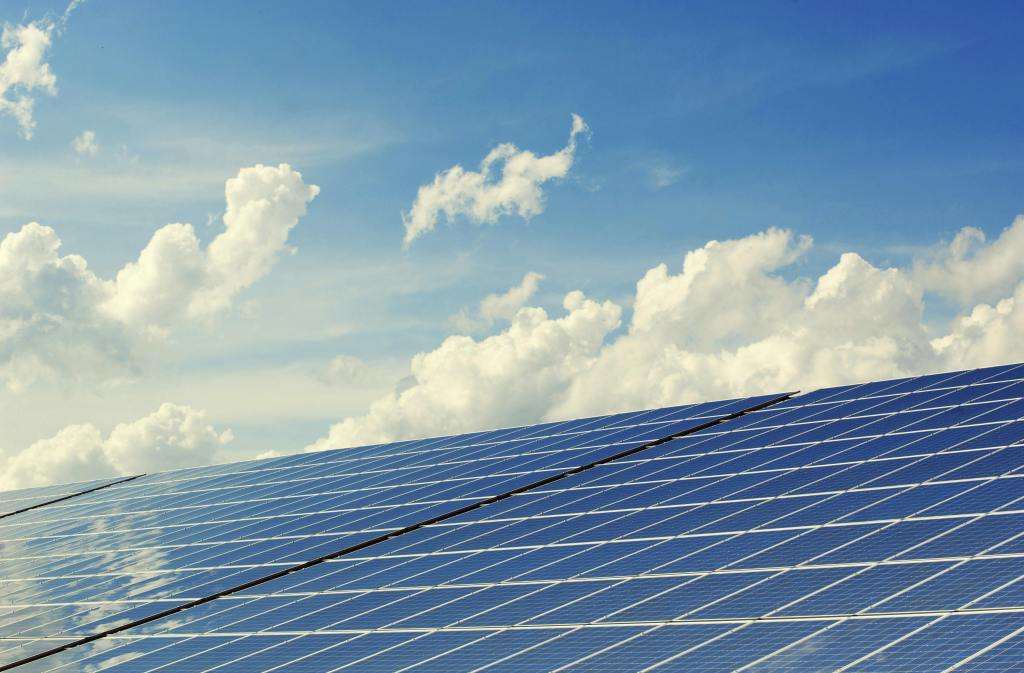
At its core, solar energy is elegantly simple. Solar panels, made of photovoltaic (PV) cells, capture sunlight and convert it into electricity. When installed on rooftops or in solar farms, these panels generate clean energy directly from the sun, which can power homes, businesses, and even entire communities.
The beauty of solar lies in its scalability. For Michigan families, a modest rooftop array can significantly offset electricity bills and reduce reliance on the grid. For larger applications, like farms or industrial facilities, solar installations can provide substantial energy savings and even feed excess electricity back into the grid.
Solar’s Role in Powering Michigan’s Agriculture
Michigan’s agriculture industry plays a critical role in Thanksgiving traditions, supplying everything from cranberries to pumpkins to turkeys. But agriculture also demands significant energy for irrigation, storage, and processing.
Solar energy offers a sustainable solution. Solar-powered irrigation systems, for example, can reduce energy costs for farmers while ensuring a consistent water supply. Additionally, farms with large open spaces are ideal candidates for solar installations, allowing farmers to generate clean energy while continuing to grow crops or raise livestock.
One inspiring example comes from a Michigan dairy farm that installed a solar array to offset the energy costs of running its milking machines and refrigeration units. The farm now saves thousands of dollars annually while reducing its carbon footprint—a win for both the environment and the business.
Reducing Holiday Energy Costs with Solar
Thanksgiving is one of the most energy-intensive holidays, with ovens baking for hours and homes filled with guests. For Michigan households with solar panels, these energy costs can be significantly reduced or even eliminated.
Net metering, a policy available in Michigan, allows solar panel owners to sell excess electricity back to the grid. This means that on sunny days leading up to the holidays, homeowners can generate and store energy, essentially creating a credit to offset increased usage during Thanksgiving.
In addition to savings, solar energy provides energy independence. During power outages—common in Michigan’s unpredictable weather—homes equipped with solar panels and battery storage systems can maintain electricity, ensuring that the turkey gets cooked and the lights stay on.
Real-Life Solar Success Stories in Michigan
Across Michigan, businesses and families are embracing solar energy, proving that it’s a practical and impactful solution.
- The Solar School Initiative: A Michigan public school installed solar panels on its roof, generating enough energy to power its classrooms while teaching students about renewable energy. The initiative saves the school thousands of dollars annually, freeing up resources for educational programs.
- Community Solar Projects: In rural Michigan, community solar projects are allowing residents who can’t install panels on their own properties to participate in the renewable energy movement. These shared solar farms distribute clean energy to local households, lowering energy costs for participants and reducing reliance on fossil fuels.
- Small Businesses Reaping Big Benefits: A Michigan coffee roaster installed solar panels to power its roasting facility. Not only has the company reduced its energy bills, but it also markets its products as sustainably produced, appealing to eco-conscious consumers.
Solar Energy Beyond the Holidays
While Thanksgiving offers a moment to reflect on energy consumption, the benefits of solar energy extend far beyond the holiday season. Solar panels have a lifespan of 25–30 years, meaning they provide clean, cost-effective energy for decades.
Moreover, solar energy contributes to a healthier environment by reducing greenhouse gas emissions year-round. By transitioning to solar, Michigan households and businesses can play a pivotal role in combatting climate change and protecting the state’s natural beauty.
Busting Solar Myths
Myth 1: “Solar Doesn’t Work in Cloudy or Cold Weather”
One of the most pervasive misconceptions about solar energy is that it only works in sunny, warm climates. For Michigan, known for its snowy winters and overcast skies, this myth can be particularly damaging. The truth, however, is far more encouraging.
Modern solar panels are highly efficient and capable of generating electricity even on cloudy days. In fact, Michigan receives an average of 1,800 hours of sunlight per year, comparable to Germany, a global leader in solar energy production. Panels can capture diffuse sunlight—light scattered by clouds—and convert it into usable electricity.
Cold weather can actually improve solar panel performance. Panels operate more efficiently in cooler temperatures, which means Michigan’s chilly winters are not a disadvantage. Snow, too, can be an asset; when it reflects sunlight onto panels, it boosts energy production.
Myth 2: “Solar Is Too Expensive to Install”
The upfront cost of solar installation is often cited as a barrier, but this myth doesn’t hold up when you consider the long-term savings and financial incentives available in Michigan.
The federal Investment Tax Credit (ITC) allows homeowners and businesses to deduct 30% of the cost of solar installation from their federal taxes. Michigan also offers net metering, where solar users can sell excess electricity back to the grid, further reducing energy costs.
Additionally, solar prices have dropped by over 70% in the past decade, making it more affordable than ever. Financing options, such as solar loans and leases, make it possible to go solar with little to no upfront cost. Over time, the savings on electricity bills often outweigh the initial investment.
Myth 3: “Solar Power Can’t Meet All Energy Needs”
Another common misconception is that solar energy alone can’t provide enough electricity to power homes or businesses. While solar alone may not cover 100% of energy needs in all cases, pairing panels with battery storage can significantly enhance reliability.
Batteries store excess energy produced during the day, ensuring a steady power supply at night or during periods of low sunlight. For Michigan residents, this means uninterrupted power even during storms or grid outages—a significant advantage in a state prone to unpredictable weather.
Advances in energy storage technology have made this option more accessible and affordable. Many solar adopters in Michigan are already enjoying the benefits of energy independence and resilience thanks to these innovations.
Myth 4: “Solar Panels Will Damage My Roof”
Some homeowners worry that installing solar panels will harm their roof. In reality, panels can actually protect the roof by shielding it from harsh weather, such as snow, rain, and UV exposure.
Professional installers ensure that panels are securely mounted without causing damage. In cases where the roof needs repairs, panels can be temporarily removed and reinstalled without issue.
Myth 5: “Solar Is Only for the Wealthy”
Solar energy has often been portrayed as a luxury reserved for the wealthy, but this is far from the truth. Programs like Michigan’s community solar initiatives allow residents to access clean energy without the need for individual installations. These projects distribute the benefits of solar power to multiple households, lowering costs for everyone involved.
Moreover, federal and state incentives, combined with financing options, make solar accessible to a wide range of income levels. Solar isn’t just for those with disposable income—it’s a practical investment for anyone looking to save on energy costs and contribute to a sustainable future.
Solar Energy: A Proven Solution for Michigan
These myths often stem from outdated information or misunderstandings, but the facts speak for themselves. Solar energy is not only viable in Michigan but an increasingly attractive option for households, businesses, and communities across the state.
By addressing these misconceptions head-on, Michigan can accelerate its transition to a cleaner, more sustainable energy future. Solar isn’t just possible here—it’s practical, affordable, and transformative.
Policy, Community, and Solar Growth
Michigan’s Policies Supporting Solar Energy
State and federal policies play a critical role in driving renewable energy adoption, and Michigan has taken steps to encourage the growth of solar power. Programs like net metering allow residents with solar installations to sell excess electricity back to the grid, reducing costs and making solar a more attractive investment.
Additionally, Michigan’s Renewable Portfolio Standard (RPS) mandates that 15% of the state’s energy must come from renewable sources by 2025. While this goal represents progress, it lags behind more aggressive targets set by other states. Expanding this standard could significantly accelerate Michigan’s transition to solar.
The Inflation Reduction Act (IRA), passed in 2022, also provides substantial incentives for renewable energy adoption. Michigan residents and businesses can take advantage of federal tax credits, grants, and loans to reduce the cost of solar installations. These policies create a favorable environment for renewable energy investments, but further state-level action is needed to unlock solar’s full potential.
Barriers to Solar Adoption in Michigan
Despite these policies, barriers remain. High upfront costs, misinformation about solar viability, and complex permitting processes can deter potential adopters. In rural areas, limited access to financing options and qualified installers further complicates the transition.
Michigan’s utility companies have also posed challenges to solar expansion. Proposals to reduce compensation rates for excess energy returned to the grid threaten the financial benefits of going solar. Advocacy and public pressure are essential to ensure that solar-friendly policies remain in place.
The Role of Community Solar Programs
Community solar programs are an innovative way to make solar energy accessible to more people, especially those who can’t install panels on their own properties. These projects allow multiple households or businesses to share the benefits of a single solar installation, lowering costs and spreading the advantages of renewable energy.
Michigan has seen a growing number of community solar initiatives, particularly in rural areas and underserved communities. These programs are vital for increasing equity in the renewable energy transition, ensuring that everyone—not just property owners—can participate in and benefit from clean energy.
Creating Jobs and Strengthening the Economy
The solar industry is also a powerful economic driver. According to the Solar Energy Industries Association (SEIA), Michigan’s solar sector has already created thousands of jobs, from panel manufacturing to installation. Expanding solar energy could create even more employment opportunities, particularly in construction, engineering, and maintenance.
As the demand for renewable energy grows, so does the need for skilled workers. Investing in workforce development programs, such as training for solar technicians, can help Michigan residents access these high-quality jobs while supporting the state’s clean energy goals.
How Communities Are Driving Solar Growth
Grassroots efforts and local initiatives are playing a crucial role in expanding solar energy in Michigan. Community organizations, environmental advocacy groups, and local governments are working together to promote solar adoption through education, funding assistance, and pilot projects.
For example, cities like Ann Arbor have launched ambitious climate action plans that include large-scale solar installations and community-wide renewable energy goals. These initiatives serve as models for other Michigan communities looking to embrace clean energy.
Advocating for Change: What You Can Do
The success of solar energy in Michigan depends on the collective efforts of individuals, businesses, and policymakers. Residents can advocate for stronger renewable energy policies by contacting their elected officials, participating in public hearings, and supporting organizations that promote clean energy.
Education is another powerful tool. Sharing success stories, debunking myths, and raising awareness about the benefits of solar energy can inspire more people to consider making the switch.
References
- U.S. Energy Information Administration (EIA)
- Source for Michigan’s energy mix and reliance on fossil fuels.
- Website: https://www.eia.gov/
- Solar Energy Industries Association (SEIA)
- Information on Michigan’s solar industry, including jobs and installations.
- Website: https://www.seia.org/state-solar-policy/michigan-solar
- Department of Energy (DOE)
- Data on energy loss during transmission and general solar benefits.
- Website: https://www.energy.gov/
- National Renewable Energy Laboratory (NREL)
- Insights into solar panel efficiency and performance in cold climates.
- Website: https://www.nrel.gov/
- Environmental Protection Agency (EPA)
- Information on the environmental impact of fossil fuels and greenhouse gas emissions.
- Website: https://www.epa.gov/
- Michigan Public Service Commission (MPSC)
- Details on state policies like net metering and renewable energy standards.
- Website: https://www.michigan.gov/mpsc
- Inflation Reduction Act (IRA)
- Overview of federal incentives for solar energy adoption.
- Website: https://www.whitehouse.gov/cleanenergy/
- Solar Power in Germany (Fraunhofer Institute for Solar Energy Systems)
- Comparative data on solar performance in Germany versus Michigan.
- Website: https://www.ise.fraunhofer.de/
- Michigan Climate Action Network (MICAN)
- Advocacy and grassroots efforts promoting renewable energy in Michigan.
- Website: https://www.miclimateaction.org/
- EnergySage Solar Marketplace
- Cost estimates, financial incentives, and benefits of going solar.
- Website: https://www.energysage.com/
