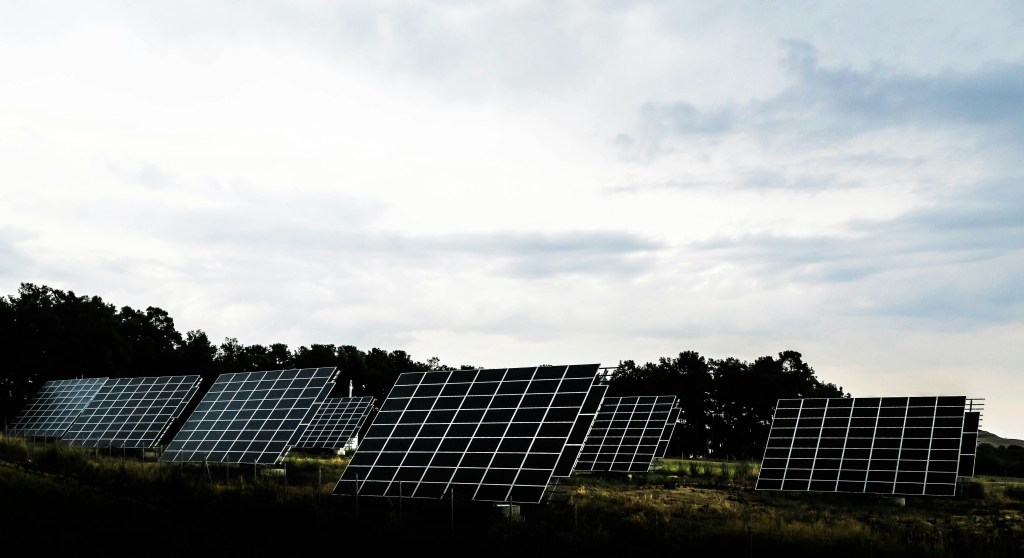
Solar energy is often seen as the shining beacon of hope in our fight against climate change. But what if we told you there’s a darker side to this clean energy revolution? From hidden industry secrets to environmental concerns, these revelations might make you think twice about solar energy—or at least see it in a whole new light.
1. Solar Panel Waste Could Become a Massive Problem
While solar panels are a clean energy source, their lifespan of 25–30 years means we’re approaching a wave of end-of-life waste. By 2050, the world could generate 78 million tons of solar panel waste, and recycling infrastructure is far from ready to handle it.
What’s worse? Without proper recycling programs, these panels could end up in landfills, leaching harmful chemicals like lead and cadmium into the environment.
The Good News: Companies and researchers are racing to develop advanced recycling technologies, but we’re still behind the curve.
2. The “Green” Image Hides a Dirty Manufacturing Process
Solar panels may produce clean energy, but making them isn’t as eco-friendly as you might think.
- Carbon emissions: Manufacturing solar panels requires high temperatures and industrial processes that emit greenhouse gases.
- Toxic chemicals: Production involves hazardous materials like hydrofluoric acid, which can harm workers and ecosystems if not handled properly.
China, the largest producer of solar panels, relies heavily on coal-fired power plants to fuel production, ironically contributing to global warming.
3. Solar Energy Isn’t 100% Reliable Without Storage
Here’s a harsh truth: Solar panels only generate electricity when the sun is shining. Without a battery backup, solar systems are heavily dependent on the grid, which often still relies on fossil fuels.
And those batteries? They come with their own issues, like high costs, limited lifespan, and environmental concerns tied to mining materials like lithium and cobalt.
4. The Solar Industry is Linked to Human Rights Abuses
You might not realize it, but the solar industry has a hidden cost in the form of labor exploitation and environmental degradation.
- Forced labor allegations have surfaced in regions where key materials like polysilicon are produced.
- Mining for essential components like cobalt and rare earth metals often occurs under unsafe and exploitative conditions, particularly in developing countries.
The Question: How do we ensure a clean energy future without harming vulnerable communities?
5. Solar Farms Can Harm Wildlife
Large-scale solar farms take up vast amounts of land, disrupting ecosystems and displacing wildlife. In some cases, concentrated solar power plants have even been linked to bird deaths caused by intense heat from reflected sunlight.
While rooftop solar systems avoid these issues, utility-scale projects need better planning to balance environmental impact with clean energy goals.
6. The Global Race for Solar Dominance is Heating Up
The push for solar energy isn’t just about saving the planet—it’s also about geopolitical power.
- Countries like China dominate the solar supply chain, controlling over 80% of global solar panel production.
- The U.S. and Europe are scrambling to catch up, but dependence on foreign solar panels raises concerns about energy security.
The Risk: A solar-powered world could still be vulnerable to political and trade disputes.
7. The Hidden Costs of Solar Incentives
Governments around the world offer subsidies and tax incentives to promote solar adoption. While these programs make solar more accessible, they come with hidden costs:
- Higher utility rates: As more homeowners adopt solar, utilities lose revenue and often raise rates for non-solar customers to make up the difference.
- Short-term incentives: Many solar tax credits are temporary, leaving the future of affordable solar uncertain once they expire.
So, Should You Go Solar?
Despite these challenges, solar energy remains one of the best tools we have to combat climate change. The key is to tackle these problems head-on:
- Push for stronger recycling programs and cleaner manufacturing practices.
- Support ethical sourcing of materials and transparency in the supply chain.
- Advocate for better energy storage solutions to make solar more reliable.
Final Thoughts
Solar energy isn’t perfect—but it doesn’t have to be. Every major innovation comes with challenges, and the solar industry is no exception. By understanding these “dark sides,” we can demand better solutions and ensure that the future of solar energy is truly as bright as promised.
References
- SEIA: Solar Panel Recycling Efforts
An overview of current efforts and challenges in recycling solar panels. - World Economic Forum: The Hidden Costs of Solar Energy
Discusses manufacturing emissions, resource use, and human rights concerns tied to the solar industry. - IEA: Global Solar Supply Chain Challenges
Details on solar panel production and the geopolitical implications of supply chain control. - National Renewable Energy Laboratory (NREL): Environmental Impacts of Utility-Scale Solar
Insights into how large-scale solar projects can impact wildlife and ecosystems. - Energy.gov: The Reality of Solar Energy and Battery Storage
A factual look at the limitations and benefits of combining solar panels with energy storage. - The Guardian: The Dark Side of Clean Energy
Examines labor rights and ethical concerns in the renewable energy industry. - Scientific American: The Solar Panel Waste Problem
Explores the growing issue of solar panel waste and recycling challenges.
