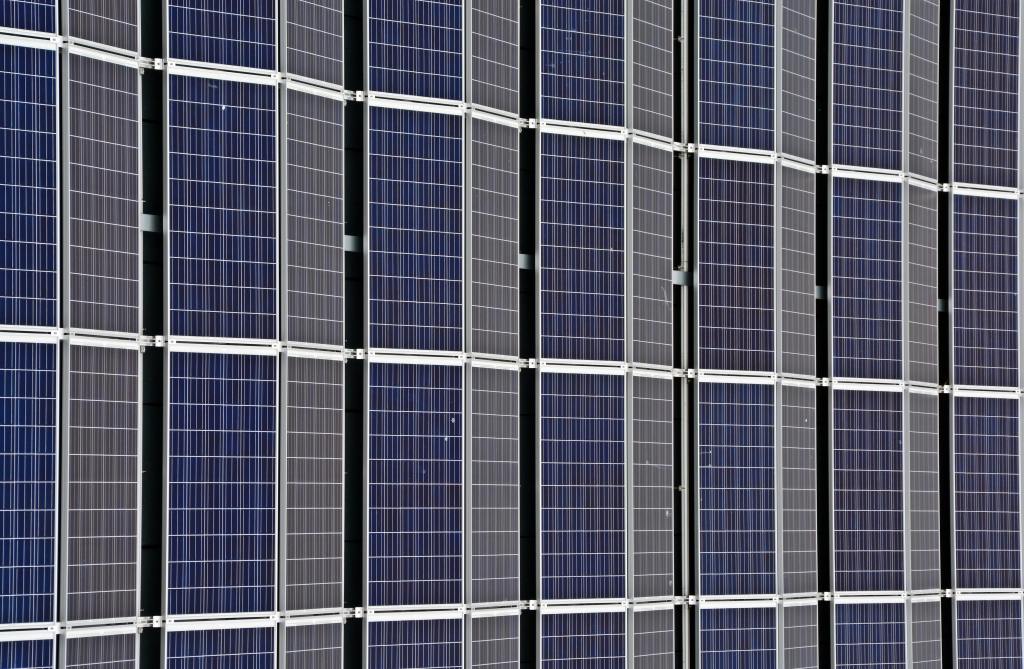
Michigan is at the forefront of a renewable energy revolution, making solar power more accessible and practical for homeowners and businesses alike. The state is transforming its energy landscape with progressive legislation, significant investments, and a push toward sustainability. Here, we provide an in-depth look at the latest trends, policies, and developments shaping solar energy in Michigan.
Why Solar Energy Matters for Michigan
Michigan’s renewable energy initiatives are crucial for combating climate change and creating a more sustainable future. The state’s increasing reliance on clean energy sources like solar and wind aims to reduce greenhouse gas emissions while fostering energy independence.
Key Benefits of Solar Power in Michigan
- Environmental Impact: Solar reduces the carbon footprint of homes and businesses.
- Energy Savings: Installing solar panels can significantly lower utility bills, especially with net metering policies.
- Economic Growth: The solar industry creates jobs and stimulates local economies.
Legislative Actions Driving Solar Growth
In recent years, Michigan has implemented ambitious clean energy goals:
The 2023 Clean Energy Law
Governor Gretchen Whitmer signed a historic clean energy package into law in late 2023, committing Michigan to achieve 100% renewable energy by 2040. The law mandates interim benchmarks:
- 50% by 2030
- 60% by 2035
- 100% by 2040
Additionally, the legislation simplifies permitting processes for renewable energy projects and strengthens energy efficiency requirements. (Source)
Homeowners’ Energy Policy Act (2024)
A new law enacted in July 2024 prohibits homeowners’ associations from restricting rooftop solar installations. This ensures that Michigan residents can adopt renewable energy solutions without facing unnecessary hurdles. (Source)
Tax Incentives and Rebates
The federal Investment Tax Credit (ITC) remains available, offering 30% off the cost of solar installations through 2032. Michigan-specific incentives, like property tax exemptions for solar installations, further enhance affordability.
Funding Programs Supporting Solar Adoption
MI Solar for All Initiative
In April 2024, the Environmental Protection Agency allocated $156 million to Michigan for the “MI Solar for All” program. This funding focuses on:
- Expanding rooftop solar for low-income households.
- Supporting community solar projects.
- Enhancing energy storage capabilities.
This initiative aims to provide equitable access to solar energy and reduce energy costs for disadvantaged communities. (Source)
Solar Technology Advancements and Michigan’s Unique Challenges
Michigan’s climate presents unique challenges for solar energy adoption, including long winters and frequent overcast skies. However, advancements in solar technology are mitigating these issues:
High-Efficiency Panels
Modern solar panels, such as monocrystalline and bifacial models, can generate electricity even in low-light conditions. These are ideal for Michigan’s cloudy days.
Energy Storage Solutions
Pairing solar systems with battery storage ensures energy reliability, especially during the shorter days of winter. Storage systems like the Tesla Powerwall and LG Chem allow homeowners to store excess power for nighttime use or during grid outages.
Community Solar and Local Initiatives
Community Solar Projects
For residents unable to install rooftop panels, community solar programs offer a practical alternative. Participants buy or lease a share in a larger solar project and receive credits on their energy bills.
SolSmart Designations
Cities like Dearborn are earning SolSmart recognition for making solar adoption easier through streamlined permitting and zoning processes. (Source)
Preparing Your Home for Solar Energy
For homeowners interested in going solar, preparation is key:
- Evaluate Your Roof: Ensure it is in good condition and receives adequate sunlight.
- Choose the Right Installer: Work with a reputable company experienced in Michigan’s climate and local regulations.
- Understand Financing Options: Compare leases, loans, and outright purchases to determine what suits your financial goals.
What the Future Holds for Solar in Michigan
Solar Job Growth
Michigan’s solar industry is expected to generate thousands of new jobs in manufacturing, installation, and maintenance.
Grid Modernization
Investments in grid infrastructure will facilitate the integration of renewable energy sources, making the transition smoother for utilities and consumers alike.
Broader Adoption of Electric Vehicles (EVs)
As EVs become more prevalent, many Michigan homeowners will pair solar systems with EV chargers, reducing transportation emissions and costs.
Conclusion: Why Now is the Time to Go Solar in Michigan
With supportive legislation, financial incentives, and advancing technology, there has never been a better time for Michigan homeowners to embrace solar energy. By adopting solar, residents can reduce their environmental impact, save money on energy costs, and contribute to the state’s ambitious clean energy goals.
For more information, consult local solar experts or visit government resources such as Michigan.gov Solar Energy.
