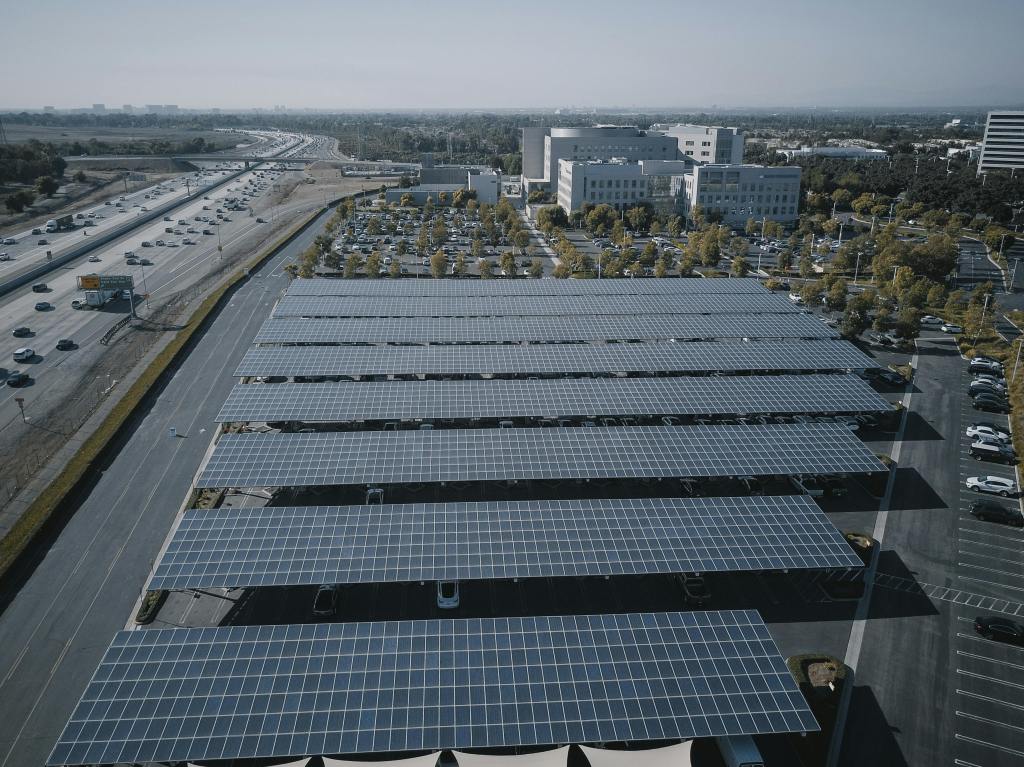
As Michigan approaches 2025, the state’s solar energy sector is gearing up for pivotal changes. From groundbreaking legislation to expanded federal investments, Michigan is positioning itself as a leader in renewable energy. Below is an outlook on what’s shaping up for solar energy in Michigan and what residents can expect in 2025.
Key Legislative Changes Driving Solar Growth
- Homeowners’ Energy Policy Act
Signed into law in mid-2024, this act is a game-changer for residential solar adoption. By September 2025, homeowners’ associations (HOAs) will be required to implement solar-friendly policies. This legislative move will reduce barriers for Michigan residents looking to install rooftop solar on their properties. - Clean Energy and Jobs Act
Setting ambitious renewable energy goals, this act aims for 50% renewable energy by 2030, 60% by 2035, and 100% by 2040. Importantly, it increases the cap on distributed generation, allowing more households to participate in the solar market.
Federal Investments Supporting Michigan Solar
- MI Solar for All Program
Michigan secured $156 million in federal funds to enhance solar accessibility for low-income and underserved communities. This initiative supports rooftop solar, community solar, and energy storage for thousands of households. - Boosting Renewable Energy Deployment
An additional $129.1 million in federal investments will accelerate solar and renewable projects across Michigan. These funds align with the state’s goal to achieve 60% renewable energy by 2030 under the MI Healthy Climate Plan.
Utility-Scale Solar Expansion
- Consumers Energy’s Commitment
Consumers Energy plans to retire its coal plants by 2025 and replace them with cleaner energy sources, including solar. The utility aims to develop 8,000 MW of solar power by 2040 through 50 to 75 large-scale projects across the state. - Addressing Local Concerns
While utility-scale projects are on the rise, local governments and communities are advocating for a greater say in siting decisions. Ensuring community input remains an ongoing challenge for the Michigan Public Service Commission.
Challenges and Opportunities
- Equitable Solar Access: The MI Solar for All program will provide affordable access to solar energy, but scaling this initiative will require streamlined processes and continued funding.
- Local vs. State Authority: Balancing local zoning control with statewide renewable energy targets could influence the pace of utility-scale solar adoption.
What to Expect in 2025
- Residential Solar Growth: With the Homeowners’ Energy Policy Act in full swing, expect a surge in rooftop solar installations across Michigan neighborhoods.
- Expanded Community Solar Programs: Programs targeting low-income households will enhance solar accessibility and equity.
- Increased Utility-Scale Projects: Utilities like Consumers Energy will ramp up the development of large-scale solar farms to meet clean energy targets.
- Policy Refinements: Ongoing adjustments to state and local policies will seek to address community concerns while driving renewable energy adoption.
Michigan’s Solar Future: A Promising Outlook
With robust legislative support, significant federal funding, and active engagement from utilities and communities, Michigan is on track for a transformative year in solar energy. As we approach 2025, these efforts will lay the groundwork for a sustainable, equitable energy future, benefitting residents and the environment alike.
