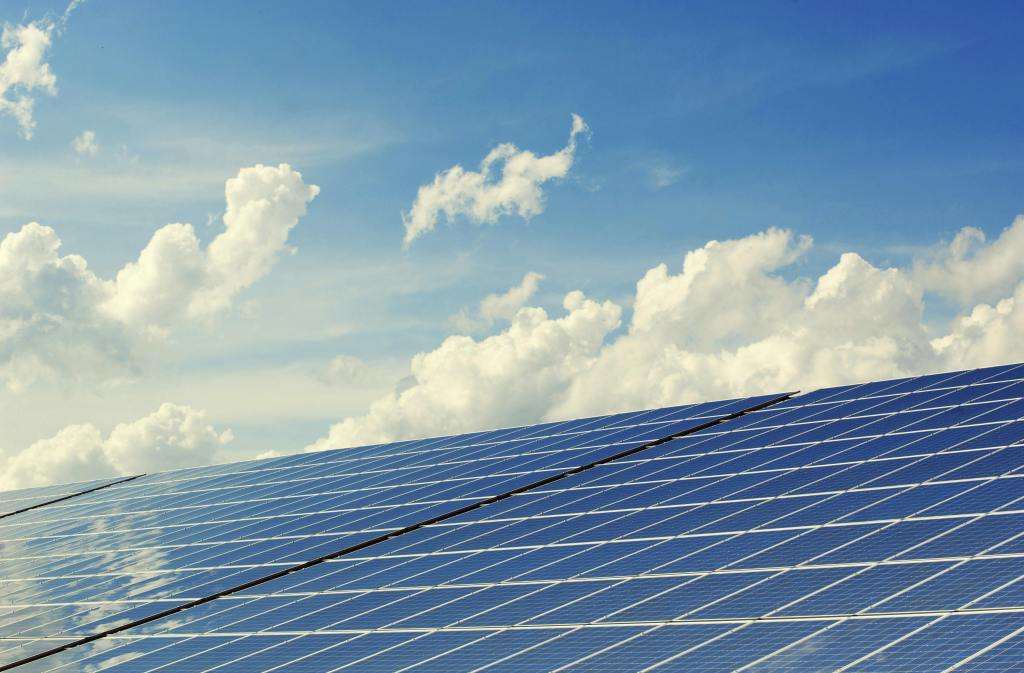
When installing solar panels, the orientation and tilt angle of your system play a critical role in determining how much energy it will produce. For Michigan homeowners, understanding the optimal placement of solar panels is essential to maximizing efficiency, especially given the state’s unique climate and sunlight patterns.
This guide explores how solar panel orientation impacts energy production and offers tips to get the most out of your system.
Why Solar Panel Orientation Matters
Solar panels generate electricity by capturing sunlight, so their orientation—how they are positioned relative to the sun—directly impacts their performance. Proper orientation ensures your panels receive maximum sunlight throughout the day, boosting energy production and reducing reliance on the grid.
Optimal Solar Panel Orientation in Michigan
- South-Facing Panels
- Why South? In the Northern Hemisphere, solar panels facing true south receive the most consistent sunlight throughout the year. This is particularly important in Michigan, where peak sun hours are limited compared to sunnier states.
- Energy Production: South-facing panels typically produce 10-20% more electricity than panels facing east or west.
- Adjusting for Roof Limitations
- If your roof doesn’t allow for south-facing panels, east- or west-facing panels can still be effective, particularly with high-efficiency models.
- North-facing panels are generally not recommended unless paired with tracking systems or installed at a steep tilt.
The Ideal Tilt Angle for Michigan Solar Panels
The tilt angle of your solar panels affects how directly sunlight hits their surface. In Michigan, where the sun’s angle varies throughout the year, the optimal tilt depends on seasonal adjustments:
- Fixed Tilt: A tilt angle equal to your latitude—about 42° for most of Michigan—is ideal for year-round performance.
- Seasonal Adjustments:
- Increase the tilt angle in winter (around 50-60°) to capture lower-angle sunlight.
- Decrease the tilt angle in summer (around 20-30°) to capture high-angle sunlight.
For most homeowners, a fixed tilt offers a good balance between performance and ease of installation.
Roof Type and Orientation Challenges
Not all roofs are ideal for solar installations. Common challenges include:
- Irregular Roof Shapes: Complex layouts may limit panel placement, reducing exposure to optimal sunlight.
- Shading Issues: Trees, chimneys, and nearby structures can cast shadows, decreasing efficiency. Solar installers often use shading analysis tools to determine the best placement.
- Flat Roofs: Panels on flat roofs are typically installed on angled mounts to achieve the optimal tilt and orientation.
If your roof isn’t suitable, consider ground-mounted systems, which allow for precise adjustments in both tilt and orientation.
Weather Considerations for Michigan Solar Panels
- Snowfall
- Heavy snowfall can temporarily block sunlight, reducing energy production. A steeper tilt angle can help snow slide off panels more quickly.
- Panels generate heat while operating, which often melts snow naturally.
- Cloud Cover
- While Michigan has fewer sunny days than southern states, modern solar panels are designed to perform well in low-light conditions, ensuring consistent energy production.
Maximizing Energy Production with Advanced Technology
- Tracking Systems
- Solar tracking systems automatically adjust the angle and orientation of panels to follow the sun throughout the day. While more expensive, they can increase energy production by up to 25%.
- High-Efficiency Panels
- Monocrystalline panels are particularly effective in maximizing energy production on roofs with suboptimal orientation.
- Microinverters and Optimizers
- These technologies help mitigate the effects of shading and suboptimal orientation by optimizing the output of each individual panel.
Boosting ROI with Proper Orientation
Properly oriented solar panels can reduce the time it takes to recoup your investment by maximizing energy savings. For example:
- A 5-kW south-facing system in Michigan may generate approximately 6,000 kWh per year.
- If your electricity rate is 18.9 cents/kWh, this translates to annual savings of about $1,134.
- Over a 25-year lifespan, that’s $28,350 in savings, significantly offsetting the system’s initial cost.
Work with Experts for Optimal Results
Professional solar installers use advanced tools and software to evaluate your roof’s orientation, shading, and structural integrity. By leveraging their expertise, you can ensure your system is designed to maximize performance and long-term savings.
Conclusion
Solar panel orientation and tilt are critical factors in achieving optimal energy production for Michigan homes. By focusing on proper placement, adjusting for seasonal changes, and investing in advanced technologies, homeowners can maximize their solar system’s efficiency and savings.
Whether your roof is perfectly south-facing or presents unique challenges, solar can still be a smart investment with the right planning and installation.
