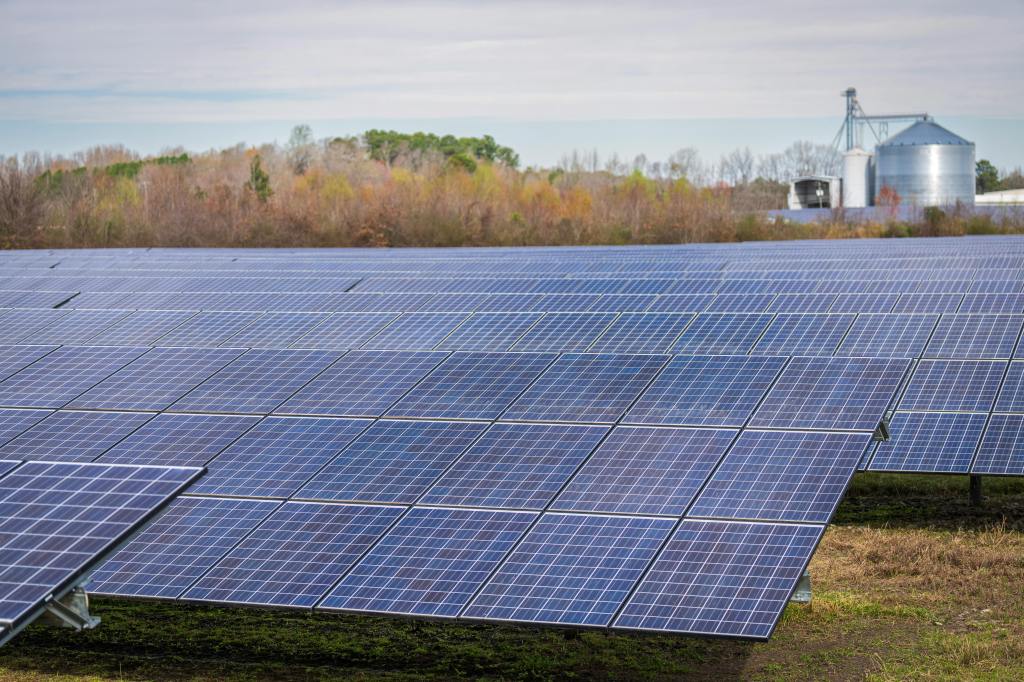
Introduction: As utility costs rise and energy reliability becomes a concern for many, Michigan homeowners are looking for ways to secure stable, affordable power. Achieving energy independence is increasingly feasible with advancements in solar technology and battery storage solutions. This article explores how solar power can empower Michigan homeowners to reduce reliance on the grid, save on utility costs, and gain more control over their energy future.
Why Energy Independence Matters in Michigan
Energy independence means producing enough energy to meet your home’s needs without relying heavily on the traditional power grid. For Michigan homeowners, this can bring several advantages:
- Reduced Utility Bills: By generating your own power, you can significantly reduce or even eliminate your monthly electricity expenses.
- Protection Against Outages: Harsh weather conditions in Michigan often lead to power outages. Solar power with battery backup offers resilience, allowing homes to maintain power during grid failures.
- Environmental Benefits: Reducing reliance on fossil fuels helps lower your carbon footprint, contributing to a cleaner, healthier Michigan environment.
How Solar Panels Contribute to Energy Independence
Solar panels harness sunlight to generate electricity, offering a renewable and sustainable source of power for your home. Michigan receives ample sunlight, even in the winter, to make solar energy a viable option. Here’s how solar panels enable energy independence:
- Electricity Generation During Peak Hours: Solar panels produce the most power during daylight hours when energy demand and utility rates are high. This lets homeowners offset their grid usage, directly reducing electricity bills.
- Net Metering Benefits: Michigan’s net metering policies allow homeowners to send excess electricity back to the grid in exchange for credits. These credits can be used during off-peak times, such as nighttime, enabling a balanced power system.
- Pairing with Battery Storage: A solar panel system alone provides substantial savings, but pairing it with a battery storage solution can maximize independence, especially during Michigan’s longer winter nights.
Understanding Solar Battery Storage for Total Independence
While solar panels generate power during the day, a solar battery storage system can store excess energy for use at night or during cloudy days. Here are some key benefits of adding a solar battery to your Michigan home:
- Reliable Power During Outages: Battery storage can keep critical systems running (e.g., heating, refrigeration) during power outages.
- Increased Energy Savings: By storing surplus energy, you can draw from the battery instead of the grid during peak times, when electricity rates are typically highest.
- Energy Independence from the Grid: With a properly sized battery, Michigan homeowners can reduce or eliminate their dependence on grid power, especially during times of high demand.
Popular Solar Battery Options for Michigan Homes:
- Tesla Powerwall: Known for its efficiency and capacity, Tesla’s Powerwall is a popular choice for Michigan homeowners.
- LG Chem RESU: This battery is designed to withstand Michigan’s varying temperatures, making it a reliable option for year-round storage.
- Enphase Encharge: Built to integrate seamlessly with solar panel systems, Enphase offers a modular storage solution, allowing homeowners to expand storage as needed.
Cost of Achieving Energy Independence in Michigan
Investing in solar panels and battery storage requires an initial upfront cost. However, various state and federal incentives help reduce this expense, including:
- Federal Solar Investment Tax Credit (ITC): The ITC allows you to deduct 30% of the cost of installing solar panels from your federal taxes. This credit applies to solar energy systems installed by December 31, 2032.
- Michigan Solar Property Tax Exemption: This exemption allows Michigan homeowners to add solar without increasing their property taxes.
- Local Utility Rebates: Some Michigan utility providers offer rebates and other incentives to encourage solar installation.
These incentives make it easier for Michigan residents to achieve energy independence while reducing the financial burden of going solar.
Steps to Transition to Energy Independence with Solar Power
- Evaluate Your Energy Needs: Start by assessing your household’s energy consumption. Look at your monthly utility bill to understand your peak usage times and total energy needs.
- Schedule a Solar Site Assessment: Contact a reputable Michigan solar installer to evaluate your property for solar panel installation. They can assess factors like roof orientation, shading, and optimal panel placement.
- Consider Battery Storage Options: If your goal is full energy independence, choose a battery system that meets your needs. Discuss with your installer how much storage capacity is ideal for your home based on your average usage.
- Explore Financing and Incentives: Research financing options, like solar loans, and take advantage of available tax credits and incentives.
- Install and Monitor Your System: Once installed, monitor your solar power generation and battery usage regularly. Many solar energy systems come with apps that allow you to track performance, ensuring your system is optimized for maximum savings.
Conclusion: Why Now is the Time to Invest in Solar for Energy Independence
As Michigan homeowners face rising energy costs and an unpredictable power grid, solar energy provides a sustainable solution. By investing in solar panels and battery storage, Michigan residents can achieve energy independence, reduce their environmental impact, and enjoy long-term financial savings.
